AI-Powered Captioning for Hearing-Impaired Students: What It Can Do, What It Can't, and What Comes Next
Posted by Aipilot on
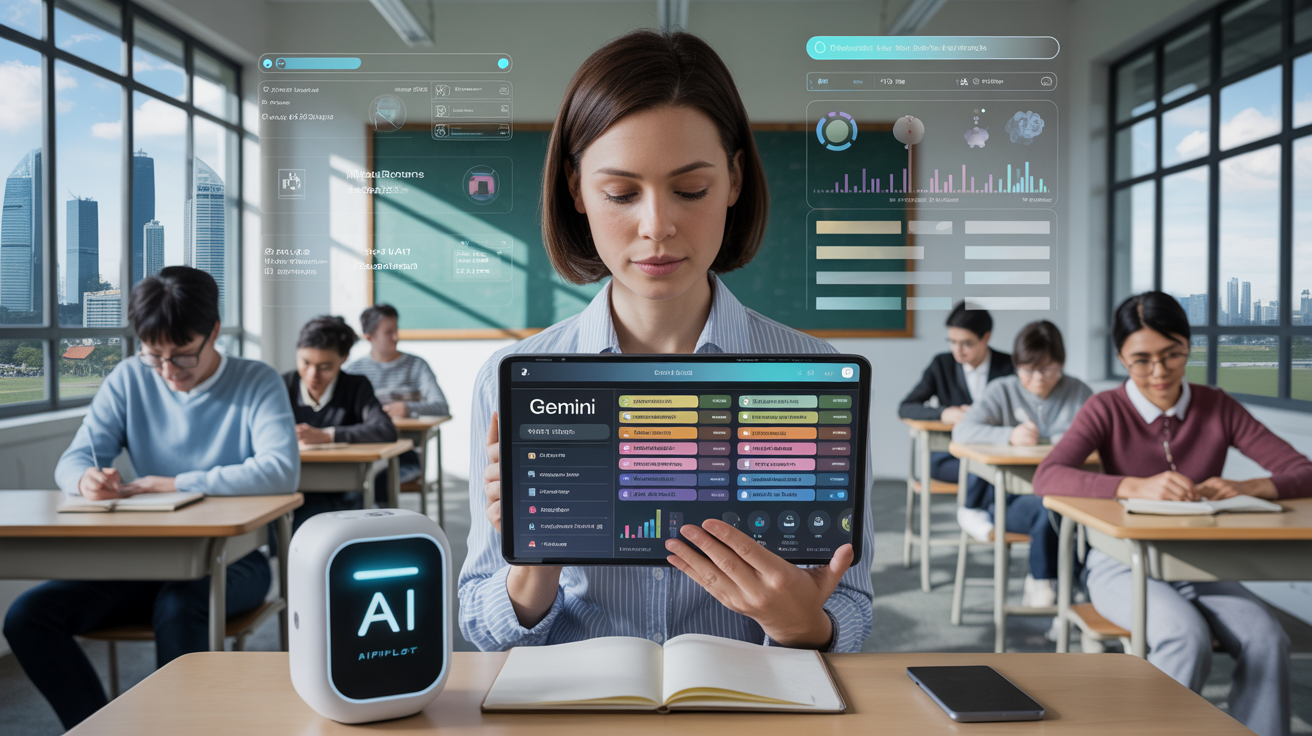
Picture a classroom where every spoken word instantly appears as crisp, readable text — where a student who can't hear the teacher doesn't miss a single concept, joke, or instruction. That's the promise of AI-powered captioning for hearing-impaired students, and it's a promise that's getting closer to reality every single day.
For the millions of children and young adults navigating education with hearing loss, access to spoken content isn't a nice-to-have — it's everything. Hearing impairment affects a child's ability to develop speech, language, and cognitive skills, which can ripple out into slower academic progress and social isolation if the right supports aren't in place. The good news? Artificial intelligence is opening up a whole new toolkit for educators, parents, and students themselves.
But here's the thing: AI captioning is not magic. It's powerful, it's rapidly improving, and it's already changing lives — but it also has real limitations that anyone choosing tools for a hearing-impaired learner needs to understand. In this article, we'll walk through how AI captioning works, what it does brilliantly, where it still falls short, and what a truly inclusive AI-powered learning experience looks like beyond just captions.
Why Hearing Access in the Classroom Matters More Than Ever
Hearing loss in children is far more common than most people realize. Mild hearing loss affects almost 50 million children worldwide, yet is frequently overlooked and undertreated. Even at mild levels, the educational consequences are significant: children with mild hearing loss tend to have compromised speech recognition and poorer language skills, making them over 2.5 times more likely to have academic difficulties and more commonly experience grade retention. When you scale up to moderate and severe hearing loss, the barriers multiply.
Inside the classroom, these challenges aren't abstract. Children with hearing impairment often experience delayed development of speech and cognitive skills, which may result in slower learning and difficulty in progressing at school. Add the social dimension — the feeling of being the only one who missed the punchline in class, or who had to ask "what did they say?" for the third time — and it becomes clear why access to real-time language isn't just an academic issue. It's an emotional one too.
Students with hearing impairment face cognitive, linguistic, and socio-emotional challenges that require more than one-size-fits-all solutions. Traditional accommodations like sign language interpreters and human note-takers are valuable, but they're also expensive, hard to schedule, and not always available. That's where AI is stepping in — not to replace human support, but to expand the safety net dramatically.
How AI-Powered Captioning Actually Works
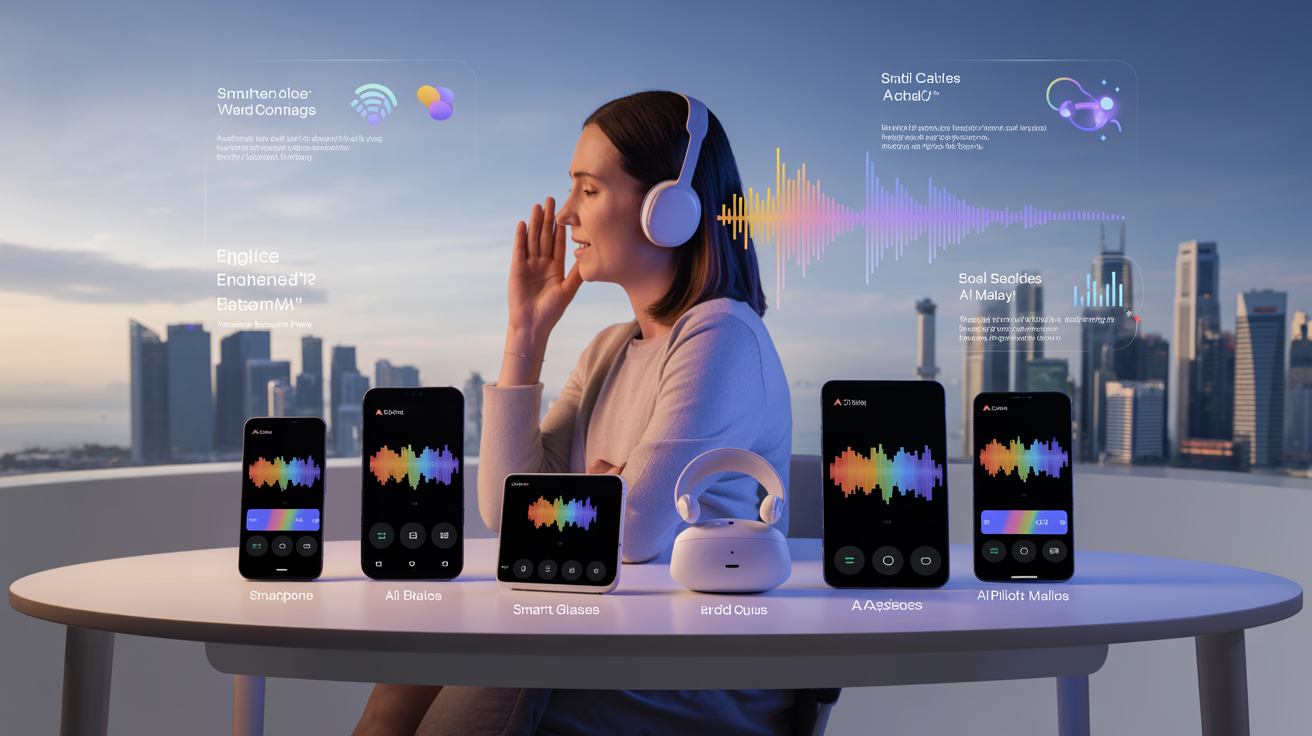
At its core, AI captioning uses Automatic Speech Recognition (ASR) — a technology that converts spoken audio into text in real time. Modern ASR systems are powered by large language models and deep learning algorithms trained on enormous datasets of human speech. When a teacher speaks, the audio is processed, transcribed, and displayed on a screen or personal device within seconds. The system uses an advanced form of automatic speech recognition to convert raw spoken language — including ums, stutters and all — into fluent, punctuated text.
The best AI captioning tools go several steps further than simple transcription. They provide real-time captions for lectures, making learning more accessible for students with hearing impairments. Tools like Otter.ai, Ava, and Verbit's Captivate platform have built purpose-specific models for education, designed to handle academic vocabulary, multiple speakers, and hybrid classroom environments. Students also have the option to use AI translator apps on their laptop or mobile device for real-time captions in the language of their choice — a huge advantage for international students with hearing loss who are learning in a second language.
Significant developments in artificial intelligence mean that Automatic Speech Recognition is now a part of many popular applications — from Zoom and Microsoft Teams to dedicated educational platforms — making it easier than ever for schools to deploy captioning at scale without prohibitive cost. The technology has moved from specialist hardware to everyday software, which means more students can benefit more often.
The Real Benefits: What AI Captioning Gets Right
When AI captioning works well, it genuinely transforms a student's experience. One student, speaking about seeing AI real-time captions for the first time, said: "Wow, I can get information at the same time as my hearing peers." That sense of simultaneous, equal access is something traditional accommodations — which often introduce a few seconds of delay — struggle to provide.
The benefits extend well beyond the hearing-impaired students themselves. The service has received great feedback from hearing students too, who use it to pick up material they missed and save the transcripts as study aids. This is the beauty of accessibility done right: when you design for the student with the greatest need, everyone benefits. Captions can also help students focus on what is being said, including those who may not speak the native language, and research has found that 80% more people watch a video to completion when captions appear.
AI captioning is also a game-changer for on-demand and recorded content. Captioning, subtitling, and transcription for recorded lessons or archived course content inside learning management platforms means hearing-impaired students can revisit lectures independently. This is especially powerful for language learners with hearing impairments: these tools are particularly beneficial in language learning contexts, where learners can see spoken language in text form, helping them improve their listening and comprehension skills.
Here's a quick look at what well-implemented AI captioning delivers:
- Real-time text display of teacher speech in live classrooms and online sessions
- Speaker identification so students can follow group discussions
- Searchable transcripts for post-lesson review and study
- Multi-language support for students learning in a second language
- Integration with common platforms like Zoom, Teams, Canvas, and Blackboard
- Cost reduction compared to full-time human transcription services
The cumulative impact on learning outcomes is significant. Technologies such as automatic speech recognition, natural language processing, and intelligent tutoring systems have been shown to increase classroom participation and academic skills by removing barriers that previously kept deaf and hard-of-hearing students from engaging fully with their education.
The Honest Limitations: What AI Captioning Still Gets Wrong
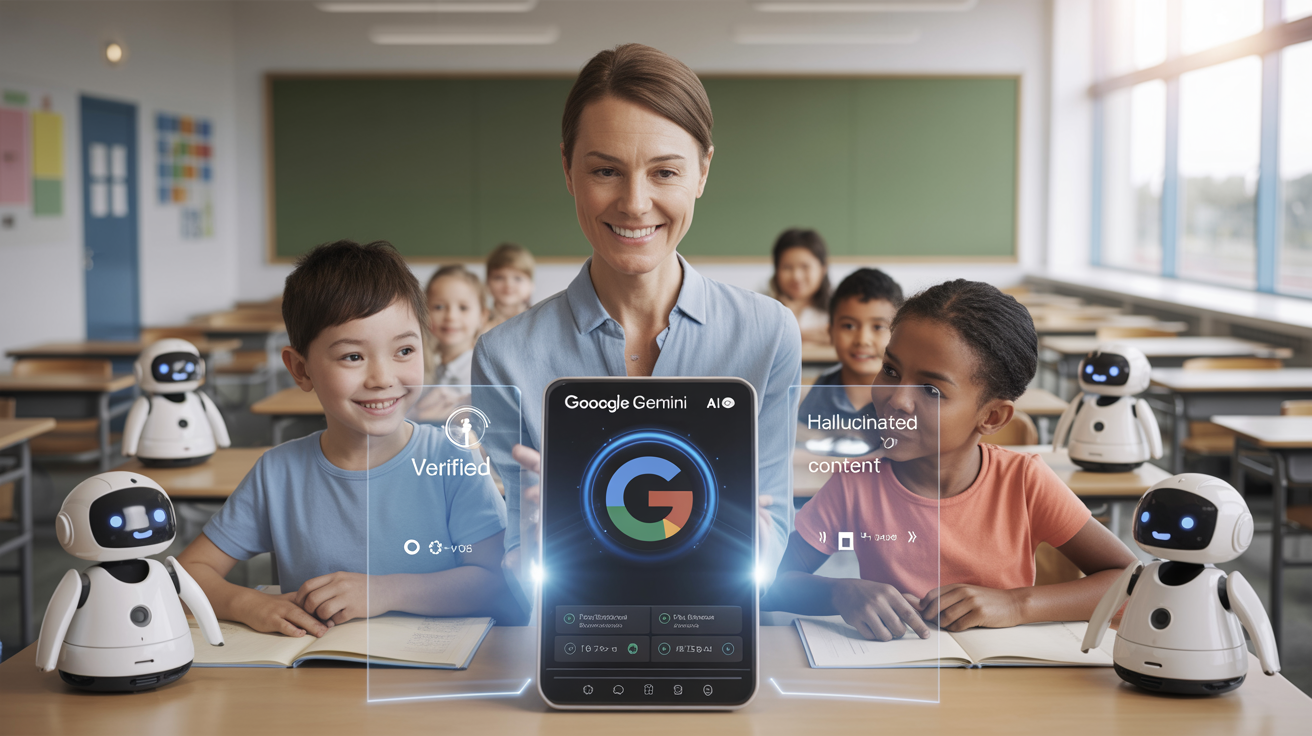
Here's where we need to be honest, because parents and educators deserve the full picture. AI captioning has come a long way, but it is not yet a perfect substitute for human transcription — especially in high-stakes classroom situations. The Deaf and Hard of Hearing community often faces significant challenges in accessing video content due to the inadequacy of automatic speech recognition systems in providing accurate and reliable captions. Accuracy drops noticeably in noisy environments, with strong accents, or when technical or subject-specific vocabulary is used.
The DHH community reports serious issues with the accuracy and reliability of ASR, and there seems to be a mismatch between technical innovations and the real-life experience for people who depend on transcription. Put simply, a tool that vendors advertise as 95% accurate may still miss the exact word that changes the meaning of a sentence — and in a chemistry lecture or a legal studies class, that matters enormously. Accuracy can drop significantly in noisy environments or when professors use complex academic jargon.
The lived experience of students reflects this gap. One deaf student, quoted in NDC research, described their first week of college: "My first week I had no interpreters but had Zoom [auto] captions which did not allow me to participate." That's a stark reminder that deploying AI captioning without checking whether it actually works for a specific student, in a specific context, is not enough. In high-stakes communication such as classroom lectures, field experiences, or critical placement discussions, leaving accuracy up to AI can create significant barriers.
There are also equity concerns. There are even larger disparities in accuracy rates for women and minority speakers, which means AI captioning can inadvertently disadvantage students from underrepresented groups even further. These are challenges the AI research community is actively working to address — but they're real right now.
The takeaway: AI captioning is a powerful first layer of support, but it works best as part of a broader strategy. Student feedback should always guide whether it's working. And in contexts where accuracy is critical, AI should be supplemented with — not simply substituted for — human support.
Beyond Captions: AI as a Full Learning Companion
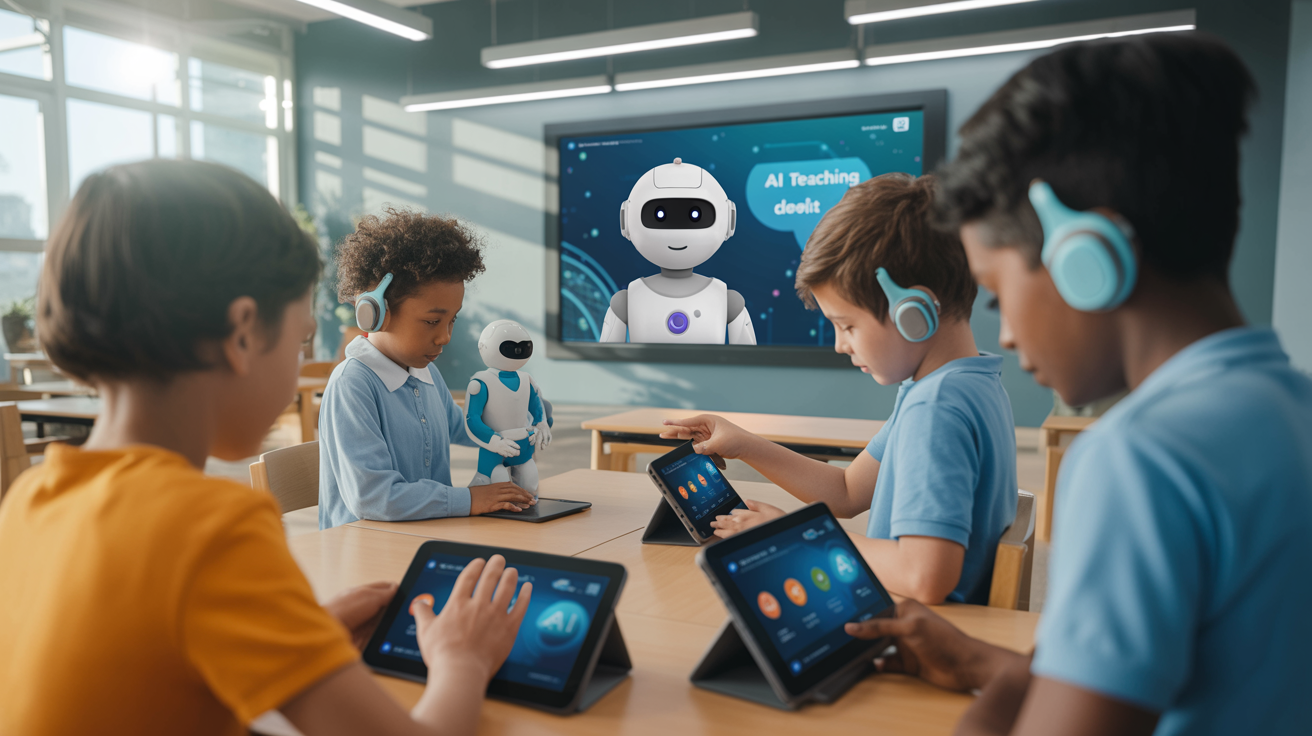
One of the most exciting developments in accessible education is the recognition that captioning is just the beginning. Generative AI has the potential to accelerate the adoption of Universal Design for Learning (UDL) by offering multiple ways for students to access information, express ideas, and engage with course content. For hearing-impaired students, this means AI can do far more than transcribe — it can tutor, coach, correct, and encourage.
Consider the language learning dimension. Many hearing-impaired students face a double challenge: managing hearing loss while also developing proficiency in spoken and written language. AI-powered tools can provide personalized, patient, always-available support that no classroom of 30 students can replicate. By embedding AI tools like real-time captioning and subtitling into lesson delivery, educators can ensure students with hearing impairments follow instruction effectively, while these technologies increase comprehension and confidence, allowing students to focus more on content mastery than language decoding.
This is exactly the philosophy behind AIPILOT's approach to AI-powered learning. Rather than treating accessibility as a checkbox, AIPILOT builds tools that give every learner — including those navigating hearing challenges — a genuine, personalized companion on their educational journey. Products like the TalkiCardo Smart AI Chat Cards for Kids are designed to make communication safe, engaging, and effective for young learners, offering an interactive, AI-driven way to build language confidence from the ground up.
Research synthesizing studies on AI applications for deaf and hard-of-hearing students — spanning AI-enabled captioning, personalized tutors, social robots, and assistive apps — found that emerging AI innovations show promise for enhancing communication, learning, inclusion, and independence for deaf and hard-of-hearing youth. The message is clear: the more holistic the AI support, the better the outcomes.
Choosing the Right AI Tools for Your Child or Classroom
Not every AI tool is built the same, and choosing the right one matters. The best approach is to think of AI tools in layers: real-time captioning for in-class access, transcription for post-class review, AI tutoring for personalized skill-building, and emotional support tools for well-being. Here's a practical framework:
- For live classroom captioning: Tools like Otter.ai, Ava, and Microsoft Translator offer real-time speech-to-text. Faculty can improve accuracy by uploading pre-lecture outlines into tools like Otter.ai, improving context recognition overall.
- For recorded and on-demand content: Platforms with LMS integration (like Verbit or Caption.Ed) allow captioned video to be embedded directly into course materials.
- For language learning and skill-building: AI tutoring platforms that provide personalized, interactive practice — especially those that combine listening, speaking, reading, and writing — can dramatically boost academic language competence.
- For younger learners: Child-friendly AI tools that offer safe, guided communication practice are essential. Engaging, gamified AI interaction helps kids build confidence without the pressure of a live classroom.
- For emotional well-being: Don't overlook AI tools designed to provide companionship and encouragement. Hearing-impaired students often face social isolation, and AI systems with genuine emotional intelligence can make a real difference.
When evaluating any tool, always involve the student in the process. Institutional decisions about captioning are often shaped more by budget and convenience rather than by student input — and that's a mistake regardless of whether you're a school administrator or a parent choosing an app. The student's lived experience of whether the tool works is the only metric that truly matters.
Practical Tips for Parents and Educators
Implementing AI captioning and support tools effectively doesn't require a tech degree. It does require some thoughtfulness and a willingness to iterate. By embedding AI translation tools like real-time captioning and subtitling into lesson delivery, educators can ensure students with hearing impairments or second-language learners follow instruction effectively. Here are some actionable steps to get started:
- Start with a trial period — deploy a captioning tool for a few weeks and ask the student to rate its accuracy and usefulness honestly.
- Optimize the environment — AI captioning performs better when background noise is minimized and the speaker uses a quality microphone.
- Upload context in advance — for academic tools, providing subject vocabulary or lesson outlines can improve AI accuracy significantly.
- Combine tools — use real-time captioning for live sessions and AI-powered note summarization for study aids after class.
- Check in regularly — a hearing-impaired student's needs may shift across subjects or school years; revisit your tool choices often.
- Advocate for policy — in school or college settings, ensure AI tools are formally recognized as accommodations so students can access them without having to fight for them each semester.
Parents of younger children should also think creatively. AI-powered interactive tools can extend learning beyond the classroom — turning commute time, evenings, or weekends into low-pressure language practice opportunities. When a child has a patient, always-available AI learning companion that communicates at their level, the cumulative effect on language development can be remarkable.
The Road Ahead: Inclusive Education Powered by AI
AI-powered captioning for hearing-impaired students is one of the most meaningful applications of artificial intelligence in education today. It's not perfect — and anyone who tells you otherwise is selling something — but it's improving rapidly, and when deployed thoughtfully, it genuinely levels the playing field. AI tools help make learning easier and more accessible for students with disabilities, allowing them to join in and learn just like their classmates. That simple outcome is worth pursuing with every resource we have.
The bigger opportunity, though, lies in thinking beyond captions. A hearing-impaired student doesn't just need their teacher's words transcribed — they need a full, rich, emotionally supportive learning experience. They need tools that adapt to them, grow with them, and celebrate their progress. They need AI that doesn't just remove barriers but actively opens doors to language, confidence, and belonging.
That's the vision driving the next generation of AI in education: not tools that check an accessibility box, but companions that genuinely care about learning outcomes. As AI continues to evolve, the gap between what a hearing-impaired student can access and what their hearing peers take for granted is closing — and that's something worth being genuinely excited about.
Explore AI-Powered Learning Tools for Every Learner
At AIPILOT, we believe every child deserves a learning experience that's personalized, engaging, and built around their unique needs. Whether you're a parent looking for safe, effective tools for your child or an educator building a more inclusive classroom, our AI-powered solutions are designed to meet learners where they are — and take them further than they imagined.
Discover AIPILOT's Learning Solutions →