Pocket Translators for Travellers: A Practical Buying Guide
Posted by Aipilot on
Picture this: you've just landed in Tokyo, your Google Maps is spinning uselessly, and you need to ask the taxi driver something more nuanced than a finger-point at your hotel address. Or maybe you're in a tiny restaurant in Barcelona, the menu is entirely in Catalan, and your pride won't let you order "the first thing" again. Language barriers are, at their best, mildly inconvenient. At their worst, they can turn a beautiful trip into a stressful one.
That's exactly why pocket translators have exploded in popularity among modern travellers. These compact, AI-powered devices are purpose-built for real-time communication — and they've come a very long way from the clunky phrasebook gadgets of a decade ago. Today's best pocket translators handle dozens to over 100 languages, work offline in remote areas, translate photos of menus and signs, and even carry their own built-in data connections so you don't have to worry about roaming charges.
But with so many options on the market — from sleek handheld devices to discreet translation earbuds — choosing the right one can feel overwhelming. This practical buying guide breaks it all down: what to look for, which type suits your travel style, how pocket translators stack up against phone apps, and who will benefit most from carrying one. Whether you're a solo adventurer, a business traveller, or a parent exploring the world with curious kids in tow, there's a pocket translator out there that fits your journey.
Pocket Translators
for Travellers
Everything you need to know to choose the right AI-powered translator for your travel style — from key features to top picks.
What Is a Pocket Translator?
A compact AI-powered device that translates spoken language — and often text and images — between two or more languages in real time. Modern devices tap into multiple cloud-based AI engines simultaneously, and some run AI edge models for offline use even in remote areas.
Device vs. Smartphone App
- ✓Noise-cancelling mics for markets & crowds
- ✓Natural conversation — no awkward device passing
- ✓Built-in SIM — no roaming or data drain
- ✓Long battery — doesn't compete with maps & photos
- ✓Free & already on your phone
- ✓Great for quick photo/sign translation
- ✗Poor mics in noisy environments
- ✗Drains battery & may incur roaming fees
Bottom line: If you travel internationally more than once a year or visit places where English isn't widely spoken, a dedicated device is worth the investment.
3 Types of Pocket Translators
Handheld Device
Most feature-rich. Touchscreen, dual mics, camera for photo translation.
Translation Earbuds
Discreet & natural. Share one earbud — translations play in each ear.
App-Paired Device
Budget-friendly. Uses your phone's data via Bluetooth pairing.
8 Key Features to Check Before Buying
Top Picks at a Glance
What to Expect to Spend
Who Benefits Most?
5 Key Takeaways
Powered by AI Language Innovation
Break Language Barriers.
Make Real Connections.
From AI-powered pocket translators to structured language learning tools, the right technology makes every conversation possible.
Explore AIPILOT Language AI →aipilotsg.com · Singapore
What Is a Pocket Translator (and Why Should You Care)?
A pocket translator is a compact device designed specifically to translate spoken language (and often text and images) between two or more languages in real time. You speak into it, it processes your voice, and within seconds it speaks — or displays — the translation in your chosen language. The whole exchange can happen in under a second with modern AI-powered models, which is fast enough to keep a genuine conversation flowing rather than grinding it to an awkward halt.
What makes today's pocket translators genuinely impressive is the technology underneath. Modern devices tap into multiple cloud-based AI translation engines simultaneously, comparing outputs to deliver the most accurate result. Some even run AI edge models that process language directly on the device, which means they can translate reliably even when you're underground, at sea, or in a remote mountain village without a Wi-Fi signal in sight. The result is a device built for one purpose: to help you communicate clearly and confidently no matter where your travels take you.
Beyond their speed advantage, pocket translators also handle things that trip up general-purpose apps — regional accents, casual slang, industry jargon, and the kind of contextual nuance that makes a sentence mean something completely different depending on tone. For everyday travel situations like ordering food, asking for directions, checking into a hotel, or navigating a medical situation abroad, their accuracy is excellent.
Pocket Translator Device vs. Smartphone App: Which Wins for Travel?
This is the question everyone asks before spending money on a dedicated device, and it's a fair one. Smartphone translation apps like Google Translate are free, powerful, and already sitting in your pocket. For quick, low-stakes tasks — snapping a photo of a menu, translating a sign, or looking up a single word — a phone app gets the job done perfectly well. So why bother with a separate gadget?
The honest answer is: it depends on how you travel. If you take one international trip per year and mostly stick to tourist-friendly cities, your phone app is probably enough. But for more frequent or adventurous travellers, dedicated devices offer some meaningful advantages that start to add up.
First, there's the conversation experience. When you're using a phone as a translator, you end up constantly passing it back and forth, staring at a screen, and losing the natural rhythm of talking to someone. A dedicated translator is designed so both people can be heard and understood without that awkward device-passing dance. Second, smartphone microphones aren't built to filter out heavy background noise, which often leads to mistranslations in busy markets, loud restaurants, or crowded streets. Dedicated translator hardware typically includes noise-cancelling microphones designed specifically for this challenge. Third, pocket translator devices generally offer longer battery life than a smartphone that's already juggling navigation, photos, and messaging — and running out of translation power in an unfamiliar place is the kind of problem you really don't want.
There's also the connectivity factor. Most good pocket translators include a built-in SIM card that provides data access across many countries at no extra cost to you, which means you're not burning through your roaming plan or hunting for Wi-Fi just to ask someone a question. For frequent international travellers, that built-in data alone can make the device worth its price.
Types of Pocket Translators: Know Your Options
Not all pocket translators are the same shape or serve the same travel style. Before you start comparing specs, it's worth knowing the three main form factors available today:
Handheld Translator Devices
These look a bit like a slim smartphone and are the most feature-rich option. They typically include a touchscreen display, two microphones, a speaker, and often a camera for translating text from photos. Most come with a built-in SIM and offline language packs. They're the go-to choice for travellers who need visual text translation (think restaurant menus, street signs, or prescription labels) as well as voice conversations. The trade-off is that you're carrying an extra device, and holding it between two speakers during a conversation can occasionally feel a little formal.
Translation Earbuds
Translation earbuds bring the translator off the table and into your ears, which makes conversations feel significantly more natural. You share one earbud with your conversation partner, and translations play directly in each person's ear. They're smaller, lighter, and far more discreet than a handheld device. The major trade-off is that they can't translate photos or text — so if you need to read a menu or a street sign, you're back to your phone. They also tend to perform better in quieter environments, since background noise can sometimes interfere with voice pickup. For travellers who prioritise natural, flowing conversation over visual translation features, earbuds are a compelling choice.
Smartphone-Dependent Translators
A smaller category, these devices pair with your phone via Bluetooth and use your phone's internet connection and processing power to run translations. They're typically the most affordable option, but they tether you to your phone and its data plan — which somewhat defeats the independence advantage of a dedicated device. They work well as a budget entry point but aren't ideal for heavy use or remote travel.
Key Features to Look For Before You Buy
Once you know which form factor suits you, here are the specific features that separate a great pocket translator from a frustrating one:
- Language count and quality: More languages is better in theory, but quality matters more than quantity. A device that supports 40 languages with excellent accuracy in all of them will serve you better than one claiming 150 languages where half are unreliable. Check whether the languages most relevant to your trips are supported for voice translation specifically — some devices offer more languages in text-only mode.
- Online vs. offline capability: Online translation (using cloud-based AI engines) is generally more accurate and supports more languages. But offline translation is essential for flights, rural areas, or countries where data connectivity is unpredictable. The best devices support both, automatically switching to offline mode when a signal drops.
- Connectivity: Look for a device with a built-in SIM that covers the regions you're visiting. Some devices include a free data plan for two years; others offer lifetime data coverage. Confirm the countries included in coverage before you buy.
- Battery life: Most current devices offer between 6 and 10 hours of active translation time on a single charge, with standby times that can last days. For full-day excursions and longer trips, prioritise models with strong battery performance or check whether the device supports fast charging.
- Microphone quality: Noise-cancelling microphones make a real difference in busy environments. If you're planning to use your translator in airports, markets, or street-side cafés, this isn't a luxury — it's a necessity.
- Photo and text translation: A built-in camera that can read and translate printed text is extremely useful for menus, signs, and product labels. This feature is exclusive to handheld devices.
- Ease of use: A simple, intuitive interface means you can hand the device to a stranger or a local and let them use it without a tutorial. One-button operation and clear screen displays go a long way.
- Translation speed: Top-tier devices today translate in 0.5 to 1.5 seconds. Anything significantly slower starts to break conversation flow. Check stated response times in product specs.
- Software updates: Translation AI improves over time. Choose a device from a brand that offers regular firmware updates to keep accuracy sharp and add language support.
Who Actually Needs a Pocket Translator?
Pocket translators are remarkably versatile tools, but they're not for everyone. Here's a practical breakdown of who will get the most value out of one:
Frequent international travellers are the most obvious beneficiaries. If you're visiting multiple countries per year — especially destinations where English isn't widely spoken — a dedicated device quickly pays for itself in confidence, convenience, and the connections it enables.
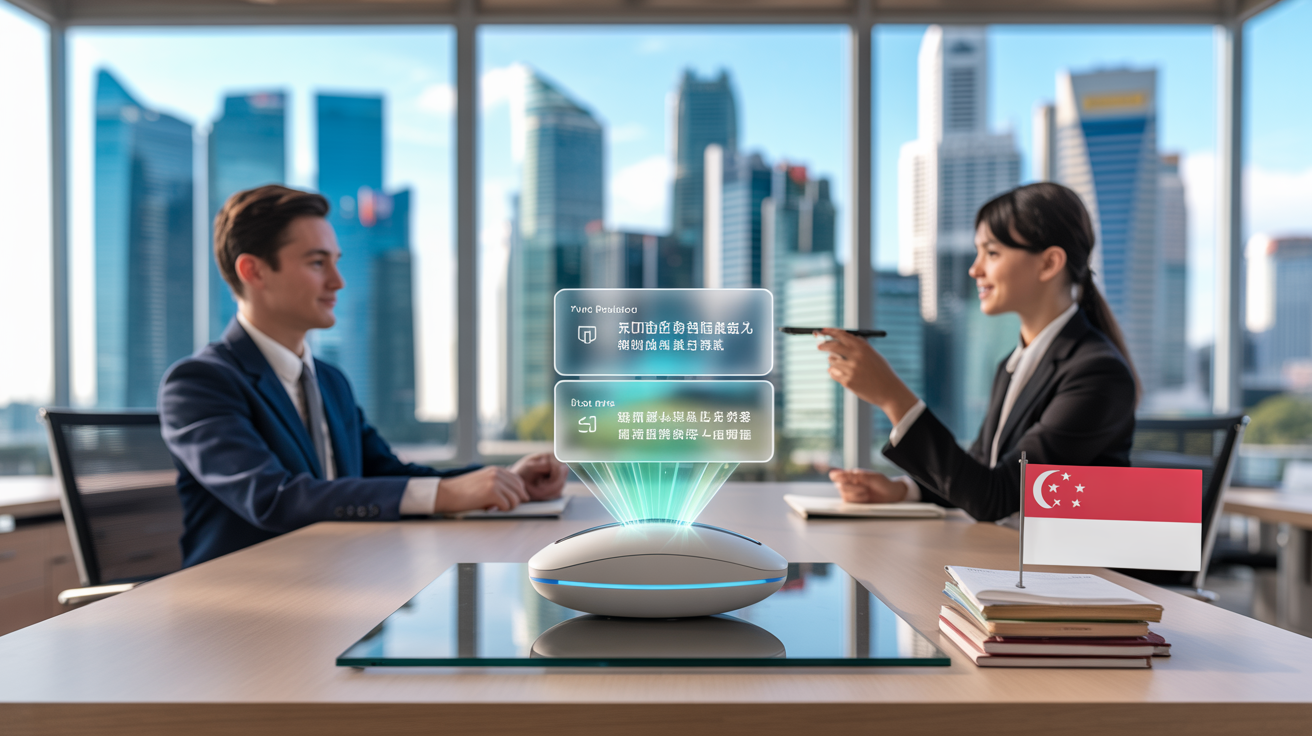
Business professionals working across borders will find that a pocket translator makes client meetings, site visits, and negotiations smoother without the distraction of constantly unlocking a phone. Some devices even support translation during phone calls and video meetings, which is a genuine workplace superpower.
Families travelling with children benefit from the simplicity and durability of dedicated translators. Children are wonderfully curious about language, and having a device that translates questions in real time can turn a foreign city into an interactive adventure. It's also worth noting that the instinct to connect with locals — to really talk to people rather than just pointing at phones — is something worth nurturing in young travellers. Speaking of which, for kids who are actively building language skills at home or at school, tools like AIPILOT's TalkiCardo Smart AI Chat Cards offer a safe, structured way to practise communication and vocabulary in an engaging format — a wonderful companion to any travel experience.
Educators and students studying abroad will find pocket translators invaluable for navigating daily life in an immersive language environment, where speed and accuracy matter far more than in a classroom setting.
Healthcare travellers and medical tourists especially benefit from the privacy features and accuracy of dedicated devices. Some models are even HIPAA-certified for private medical conversations, which matters enormously in sensitive situations.
Beyond Just Travel: Pocket Translators as a Language Learning Tool
Here's something the average buying guide won't tell you: pocket translators aren't just for navigating unfamiliar places. Used thoughtfully, they can be a surprisingly effective supplement to language learning. When you hear a phrase spoken aloud in your target language — in context, in the middle of a real conversation with a real person — it sticks in a way that flashcard drilling simply doesn't replicate. That moment of recognition, when you start catching words before the translation fires, is genuinely exciting.
This is where the philosophy behind AI-powered language tools becomes relevant. At AIPILOT, the belief is that technology works best when it supports human connection rather than replacing the effort of real communication. A pocket translator can lower the barrier to conversation just enough for a learner to get in the room — and once you're in the conversation, the learning happens naturally. The device handles the heavy lifting while you focus on listening, responding, and absorbing. Over time, that exposure becomes the foundation for real fluency.
For anyone who wants to go deeper — building genuine speaking confidence, practising pronunciation, or working through listening comprehension — AI language tools designed specifically for learning (rather than just translating) offer a more structured and measurable path to progress. Translation and learning work beautifully together; the key is knowing which tool to reach for in which moment.
Top Pocket Translator Picks Worth Considering
Rather than an exhaustive product-by-product breakdown, here's a practical framework of the most respected devices on the market, organised by what each does best:
Best All-Rounder: Pocketalk S / Pocketalk Plus
Pocketalk is one of the most trusted names in dedicated translation hardware. The S model is compact (smaller than a standard smartphone), comes with a two-year global LTE data plan, supports voice translation for a wide range of languages bilaterally, and includes a camera for photo translation. Its interface is clean enough for anyone to pick up and use immediately. A strong first choice for most travellers.
Best for Frequent International Travellers: Vasco V4
The Vasco V4 earns its reputation with a lifetime free data plan covering close to 190 countries — no annual renewals, no surprise fees. It supports voice translation in over 100 languages, offers photo translation for printed text, and has a weather-resistant build suited to outdoor adventures. The trade-off is its larger size and higher price point, but for serious globe-trotters, the lifetime connectivity alone is compelling.
Best Earbud Option: Timekettle M3 (or W4 AI Interpreter)
For travellers who want hands-free, natural-sounding conversations, Timekettle's earbud range delivers genuinely impressive results. The M3 supports 40 languages, offers around 25 hours of total battery life with its charging case, and also functions as a Bluetooth audio device for music and calls. The newer W4 AI Interpreter adds simultaneous two-way translation, which is particularly useful in professional settings and international meetings.
Best Offline Performance: Timekettle NEW T1
If your travel takes you to areas with poor connectivity — rural regions, cruise ships, mountain trails — the Timekettle New T1 is worth a close look. Powered by an AI edge model that processes translation directly on the device, it can handle real-time translation without an internet connection, while automatically switching to online mode when a signal is available. It comes with 24 months of free global data and a 4-inch display, making it a solid all-round option as well.
Best Budget Option: Enence Pro
For occasional travellers or those new to pocket translators, the Enence Pro offers a lower entry price while still delivering functional real-time voice translation across 60+ languages. It connects to a companion app on your phone rather than carrying its own data, which keeps costs down. It's not the most feature-rich option, but as a starting point, it does the job.
Frequently Asked Questions
How accurate are pocket translators in real conversations?
For everyday travel scenarios — ordering food, asking for directions, checking into accommodation — modern AI translators are excellent, typically achieving high accuracy across major languages. They handle context and basic idioms well. Where they still have limitations is in highly technical discussions, complex cultural references, heavy regional dialects, or professional legal and medical situations that require precise terminology. For most travellers' needs, they're more than good enough.
Do pocket translators work without Wi-Fi?
Many do, with caveats. Devices with offline language packs can translate without any internet connection, though accuracy and language selection are somewhat reduced compared to online mode. The best devices combine offline AI processing with automatic online switching when connectivity is available, giving you reliable performance in both situations. If offline capability is a priority for your travel style, specifically look for this feature in the specs before buying.
Is a pocket translator worth buying if I already have Google Translate?
For frequent international travellers, the answer is usually yes. Dedicated translators offer better microphone quality for noisy environments, don't drain your phone battery, have built-in data plans that avoid roaming fees, and create a more natural conversation flow. For occasional use in major tourist cities, your phone app is likely sufficient.
How much should I expect to spend?
Budget-friendly options with app-dependent connectivity start around $50–80. Mid-range handheld devices with built-in SIMs typically cost $150–300. Premium models with lifetime data, advanced offline AI, and rugged builds can run $350–450. The right price point depends on how often you travel internationally and what features genuinely matter to your itinerary.
The Bottom Line
A good pocket translator doesn't just help you get your point across — it changes the quality of the connections you make on the road. There's a real difference between a trip where you spend three days gesturing hopefully at strangers and one where you actually talk to people: the local who tells you about the restaurant that isn't in any guidebook, the shopkeeper who shares something about their city that no tourist itinerary would ever include, the small exchange in an unfamiliar language that you'll somehow remember years later.
When choosing your device, start with form factor (handheld or earbuds), then check offline capability, connectivity coverage, and battery life for your specific travel patterns. Don't over-index on language count alone — accuracy and reliability in the languages you actually need matter far more than an impressive number on a spec sheet.
And remember: a pocket translator is a bridge, not a destination. The best use of any translation tool is as a starting point for real human communication — and ideally, a little bit of language learning along the way.
Curious About AI-Powered Language Tools?
At AIPILOT, we believe breaking language barriers is just the beginning. Whether you're a traveller looking to genuinely connect with the world or a parent helping your child build real language confidence, our AI-powered solutions are designed to make communication more meaningful — not just more convenient.