Assistive AI: How Real-Time Mandarin Subtitles Are Transforming Classrooms for Deaf Students
Posted by Aipilot on
Picture this: a lively Mandarin lesson is underway. The teacher is explaining the difference between 买 (mǎi, to buy) and 卖 (mài, to sell) with animated energy. The hearing students laugh at a well-timed joke. But somewhere in that same classroom, a deaf or hard-of-hearing student is watching — catching expressions, reading lips when possible, and quietly trying to piece together the lesson from incomplete fragments. It's a situation that plays out in schools across Singapore, China, Taiwan, and Mandarin-medium classrooms worldwide, every single day.
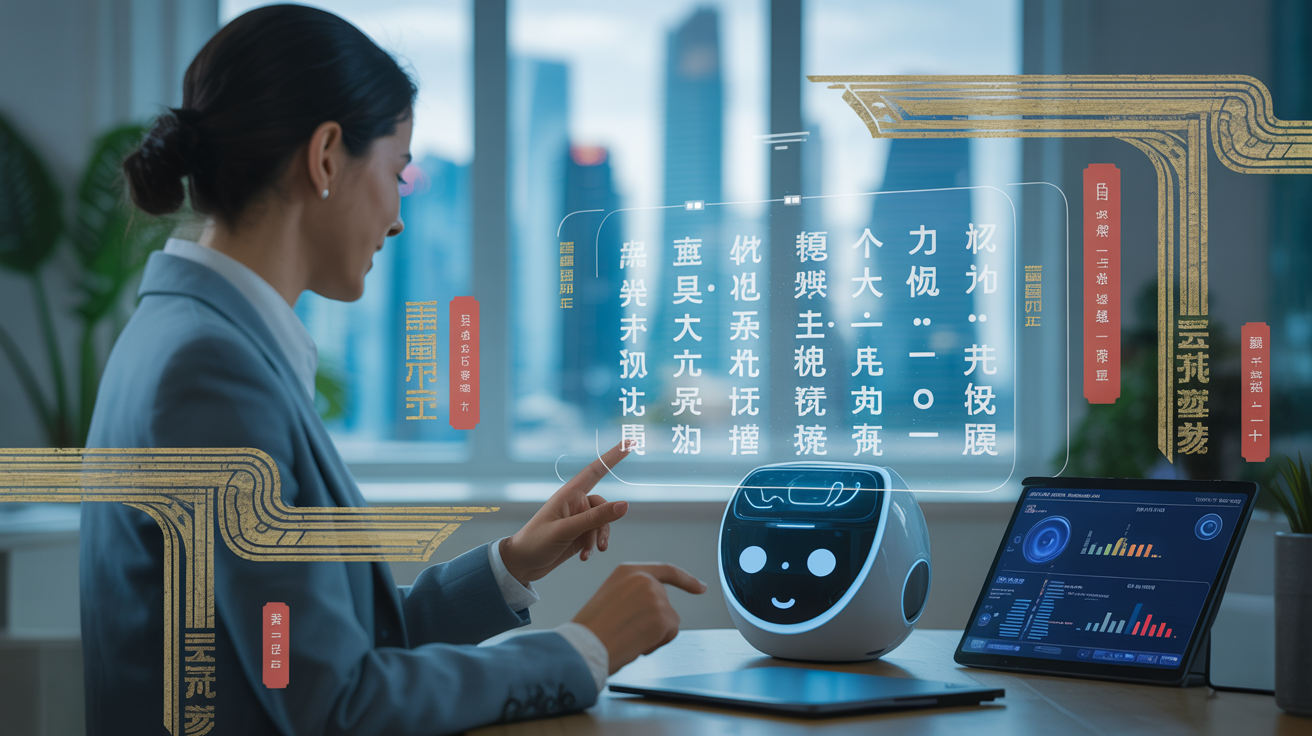
The good news? Assistive AI with real-time Mandarin subtitles is changing this story in a meaningful way. By converting spoken Mandarin into accurate on-screen text almost instantly, AI-powered captioning tools give deaf students the same moment-by-moment access to classroom content that their hearing peers take for granted. This isn't just about accessibility for its own sake — it's about giving every student the chance to fully participate, learn, and belong.
In this article, we'll explore why Mandarin presents a uniquely fascinating (and genuinely tricky) challenge for AI captioning technology, how these systems work in practice, and what the real-world benefits look like for students, parents, and educators. Whether you're an educator seeking solutions or a parent researching options for your child, this guide will help you understand where the technology stands today — and where it's heading.
The Silent Gap in Mandarin Classrooms
For deaf and hard-of-hearing (DHH) students, accessing spoken classroom content has always been a significant challenge. Research confirms that in mainstream educational settings, DHH students may have limited or no access to the spoken lectures and discussions that are central to the hearing majority classroom — and yet engagement in those very exchanges is fundamental to their learning and inclusion. In a Mandarin-medium environment, this challenge is compounded by the sheer speed, tonal complexity, and character density of the language itself.
Traditional solutions — sign language interpreters, note-takers, printed transcripts provided after class — have helped many students over the years, but they come with real constraints. Sign language interpreters and professionally translated transcription services are in high demand, and the ratio of available interpreters to deaf and hard-of-hearing students is far from one-to-one. Having a note-taker in class doesn't allow a student to follow along in real time or actively participate. And printed post-class transcripts? By the time a student reads them, the spontaneous energy of the lesson — the teacher's emphasis, the class's questions, the natural back-and-forth — is long gone.
This is the silent gap that assistive AI is now stepping in to close. Emerging AI innovations show genuine promise for enhancing communication, learning, inclusion, and independence for deaf and hard-of-hearing youth, with technologies such as automatic speech recognition, natural language processing, and intelligent tutoring systems increasing classroom participation and academic skills by removing barriers. Real-time Mandarin subtitles are one of the most direct and immediately impactful expressions of this promise.
Why Mandarin Is Uniquely Challenging for AI Captioning
If you've ever tried to explain Mandarin to someone who hasn't studied it, you know the look they get. Four tones? A logographic writing system? No verb conjugations, but endless homophones? Yes, all of that — and it makes building accurate real-time captioning technology for Mandarin genuinely harder than for many other languages.
Mandarin is a tonal language with four tones, and the same syllable can have entirely different meanings depending on the tone used. Its writing system is logographic, meaning each character represents a morpheme rather than a sound, and the language has no verb conjugation, no grammatical gender, and no noun declension — grammar is conveyed through word order and particles. From an AI perspective, this creates a fascinating set of problems. Automatic speech recognition (ASR) has emerged as a key technology for enabling intelligent human-computer interaction, but achieving efficient Chinese speech recognition remains significantly challenging due to tone sensitivity, pronunciation variation, severe homophone density, and environmental noise.
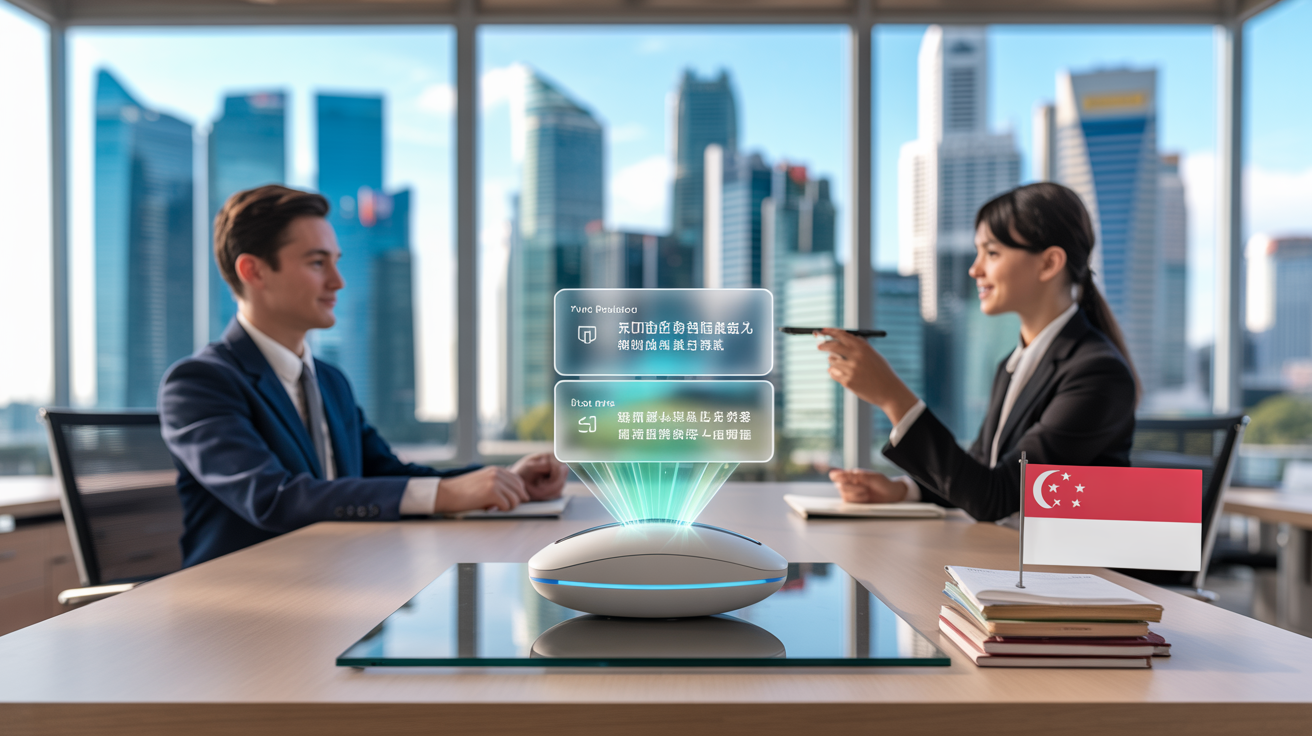
In a real classroom setting, these challenges are compounded further. Teachers speak at natural pace, switch between Mandarin and English mid-sentence in multilingual environments like Singapore, use informal vocabulary, and produce a great deal of background noise. Most captioning tools struggle with real-world Chinese: fast speech, regional accents, informal vocabulary, and overlapping voices in groups. The best modern AI systems address this through deep learning models trained on diverse, real-world speech datasets — not just clean studio recordings — allowing them to handle the messy, vibrant reality of an actual classroom.
The exciting development is how rapidly the technology has matured. In recent years, ASR technology based on deep learning has made great strides, with Chinese automatic speech recognition being uniquely challenging due to its tonal nature, requiring sophisticated algorithms that are more complex than those needed for non-tonal languages. Newer transformer-based models now approach human-level accuracy even in challenging acoustic conditions, which is exactly the kind of reliability a student needs when they're relying on subtitles to follow a fast-paced Mandarin lesson.
How Assistive AI Real-Time Subtitles Actually Work
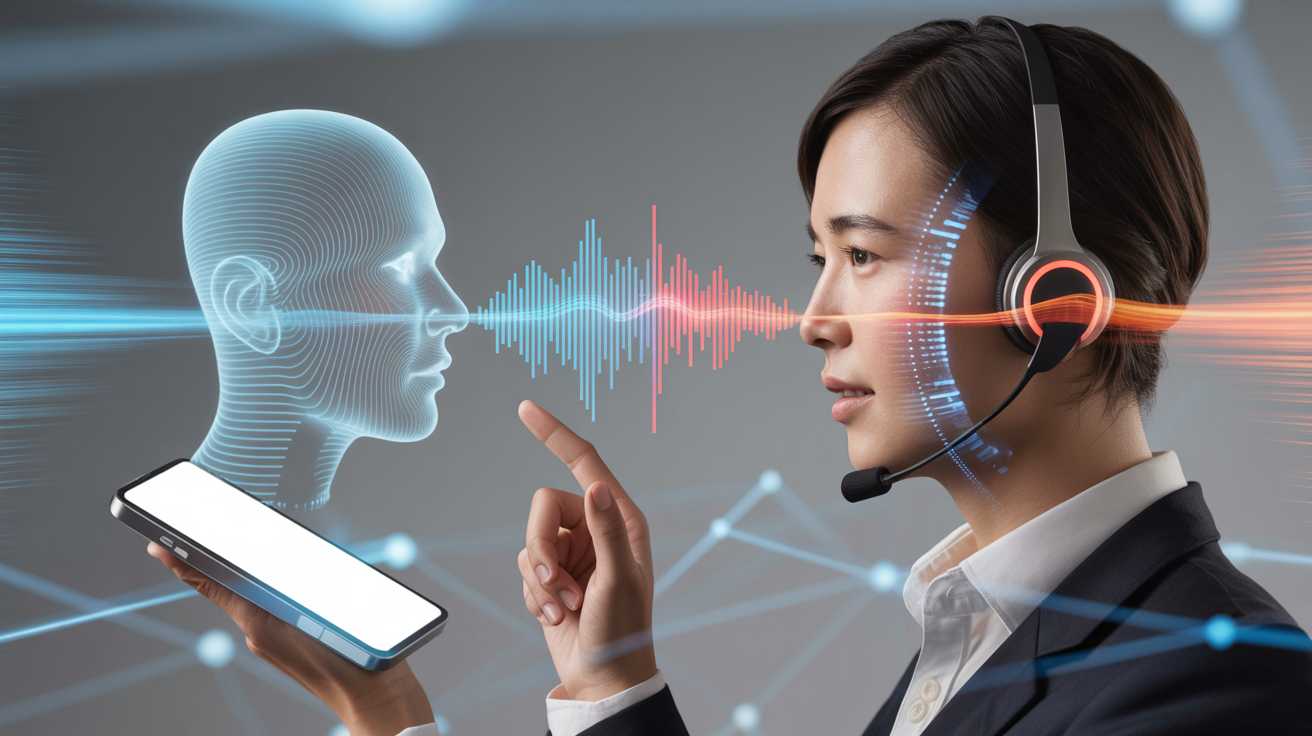
So what actually happens between a teacher speaking a sentence in Mandarin and that sentence appearing as text on a student's screen? The process is fast — we're talking about a lag measured in fractions of a second — but there's a lot of clever technology happening behind the scenes.
The core pipeline involves three main stages:
- Audio capture and noise filtering – A microphone (which may be worn by the teacher, placed on the desk, or built into a smart device) picks up speech and filters out background noise. Quality noise cancellation is critical because a busy classroom is not a quiet recording booth.
- Automatic Speech Recognition (ASR) – Artificial intelligence uses speech-to-text conversion to accommodate automated captioning and subtitles, with Automated Speech Recognition (ASR) being a key aspect of this process. For Mandarin, this layer must interpret tones, map sounds to correct characters among potential homophones, and understand context to select the right meaning.
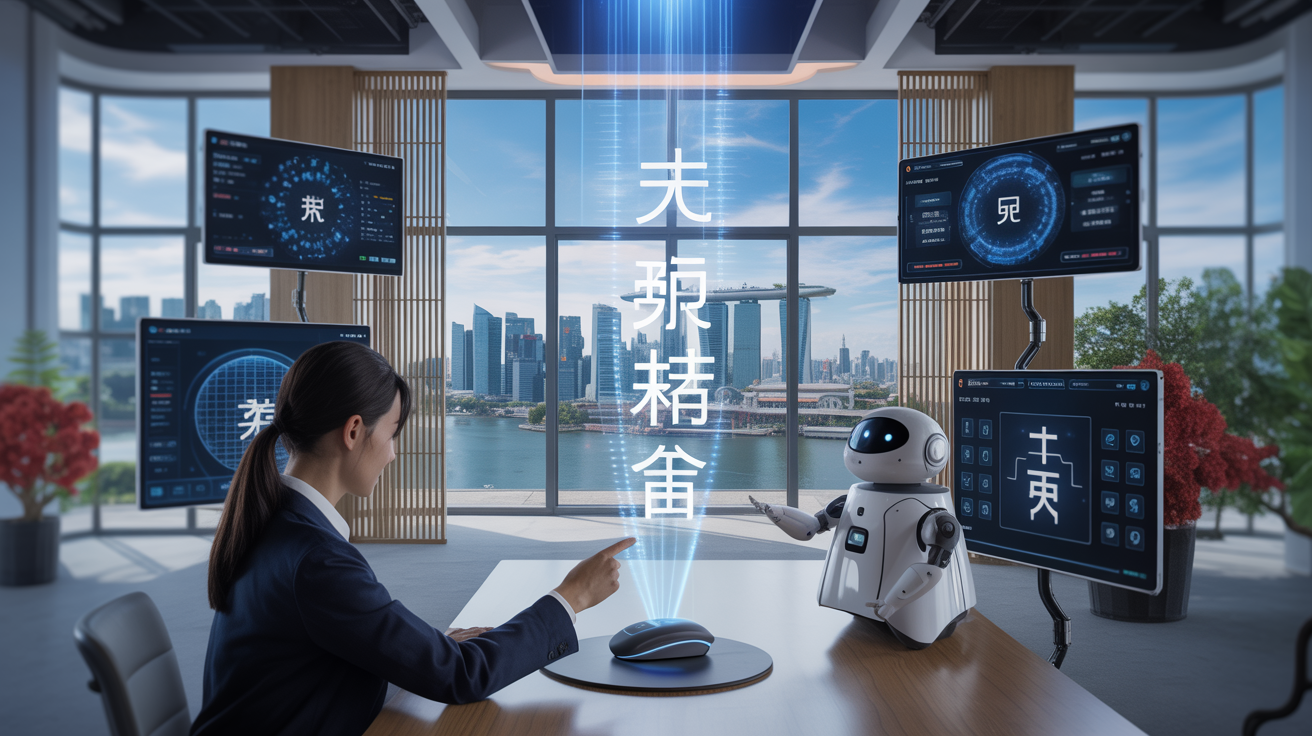
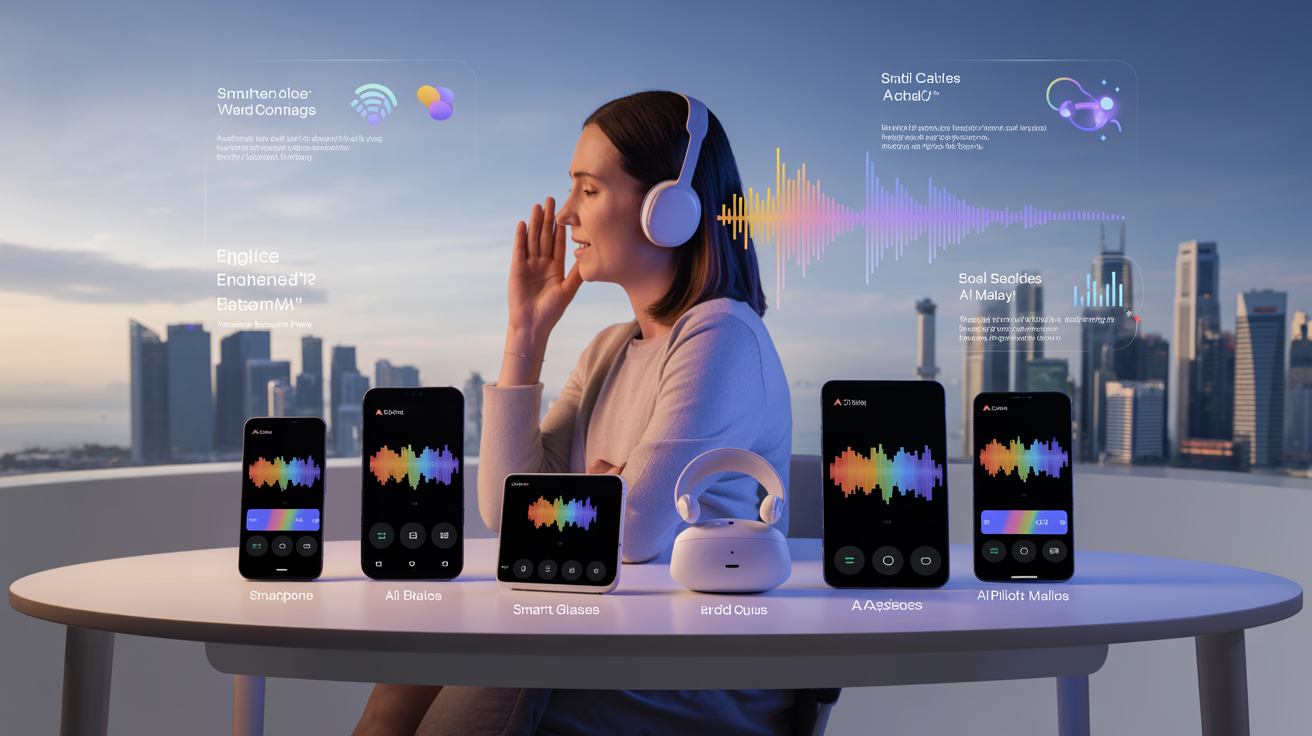
- Display and rendering – The resulting text is pushed to the student's screen — whether a tablet, laptop, phone, or even augmented reality glasses — with minimal delay, allowing them to read along as the teacher speaks.
One important design consideration that researchers have been exploring is where captions appear. In the educational context, most caption interfaces are displayed through projectors, students' laptops, or mobile phones — but these approaches create issues because students have to switch their focus between the teacher and the caption interface, ultimately increasing their cognitive load. Emerging solutions, including augmented reality (AR) glasses that overlay text within a student's natural field of vision, are tackling this problem head-on. The goal is a setup where a student can watch the teacher's face and expressions while the Mandarin text appears naturally in their line of sight — combining the full richness of visual communication with complete access to spoken content.
Real Benefits for Deaf and Hard-of-Hearing Students
It's easy to describe the technology in terms of features and specs. But the real story is what changes in a student's daily experience when accurate real-time Mandarin subtitles are available. The benefits ripple outward in ways that touch academic performance, confidence, social connection, and emotional wellbeing.
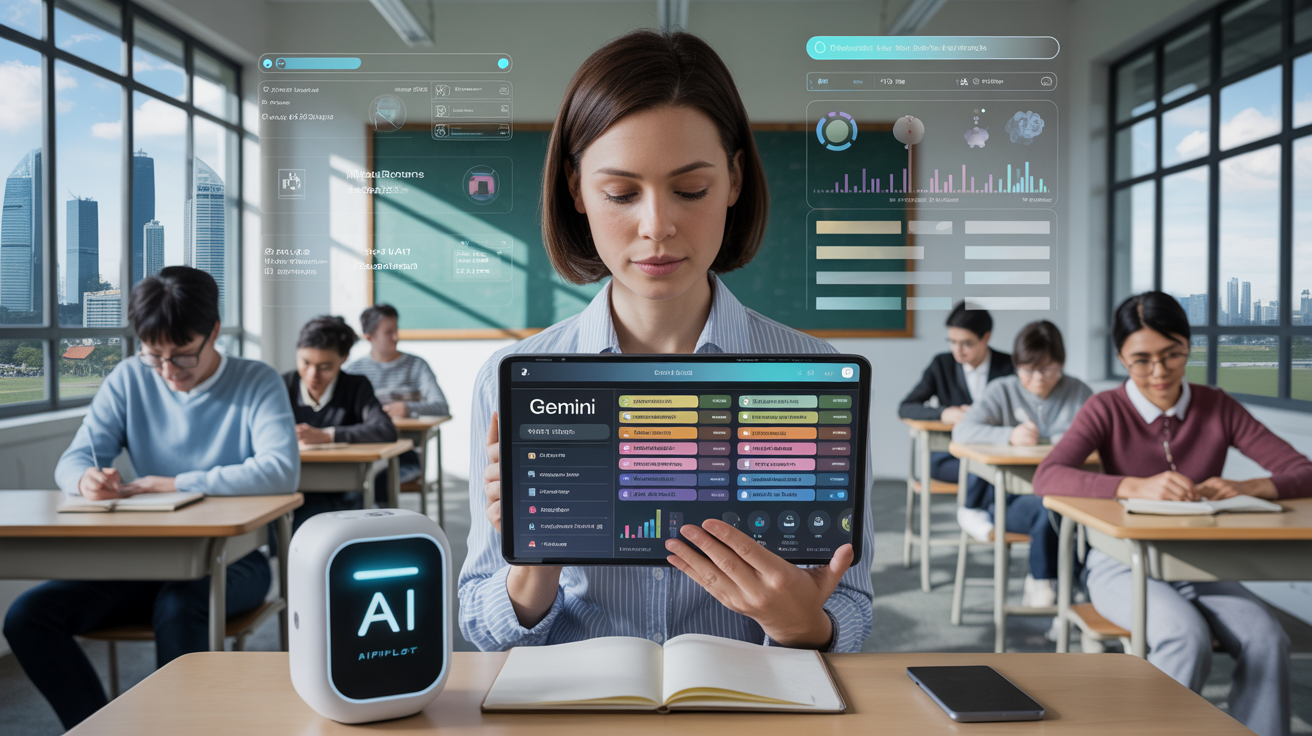
Full participation in real time.For students with hearing impairments, captions are a lifeline to accessible education — by providing real-time text representations of spoken lectures, videos, and discussions, captions ensure equal access to academic content. This means a deaf student can raise their hand to answer a question right alongside their peers, rather than waiting for a written summary after class. That small change in timing carries enormous psychological weight.
Reduced cognitive load and fatigue.The cognitive load of trying to lip-read and fill in the gaps is immense. Lip-reading Mandarin is particularly exhausting because so many sounds look visually similar on the lips, and tonal distinctions are entirely invisible. When a student doesn't have to spend energy guessing what was said, that mental energy can go where it belongs — into actually understanding and learning the content.
Better academic outcomes.When deaf and hard-of-hearing students' needs are served, their academic performance and ability to reach graduation improve significantly, as technology can greatly support students in reaching their full academic potential and level the playing field. When a student can follow the entire lesson in real time, take notes with confidence, and participate in discussions, their academic trajectory changes meaningfully.
Dual benefit for language learning. Here's a bonus that's specific to Mandarin classrooms: seeing spoken words rendered as Chinese characters in real time also reinforces the link between sound and writing. In language education, subtitles have been shown to support vocabulary acquisition, listening comprehension, and learner engagement by providing concurrent visual and auditory input. For a deaf student who is also working to build their Mandarin reading skills, this simultaneous pairing of audio context and written characters can actually accelerate character recognition and literacy development.
Beyond Captions: AI as a Full Learning Partner
Real-time subtitles are a powerful start — but the most forward-thinking educators and EdTech companies understand that assistive AI doesn't have to stop there. The same AI infrastructure that generates accurate Mandarin captions can form the foundation for a much richer, more personalized learning experience for deaf students.
Think about what a truly supportive AI learning companion could do: it could provide a searchable transcript of every lesson, highlight key vocabulary as it appears in the subtitles, flag terms the student has struggled with before, and even generate practice exercises based on what was covered in class. For students who process information visually, having a written record of every Mandarin lesson — complete, timestamped, and accurate — transforms how they can review, revise, and consolidate their learning.
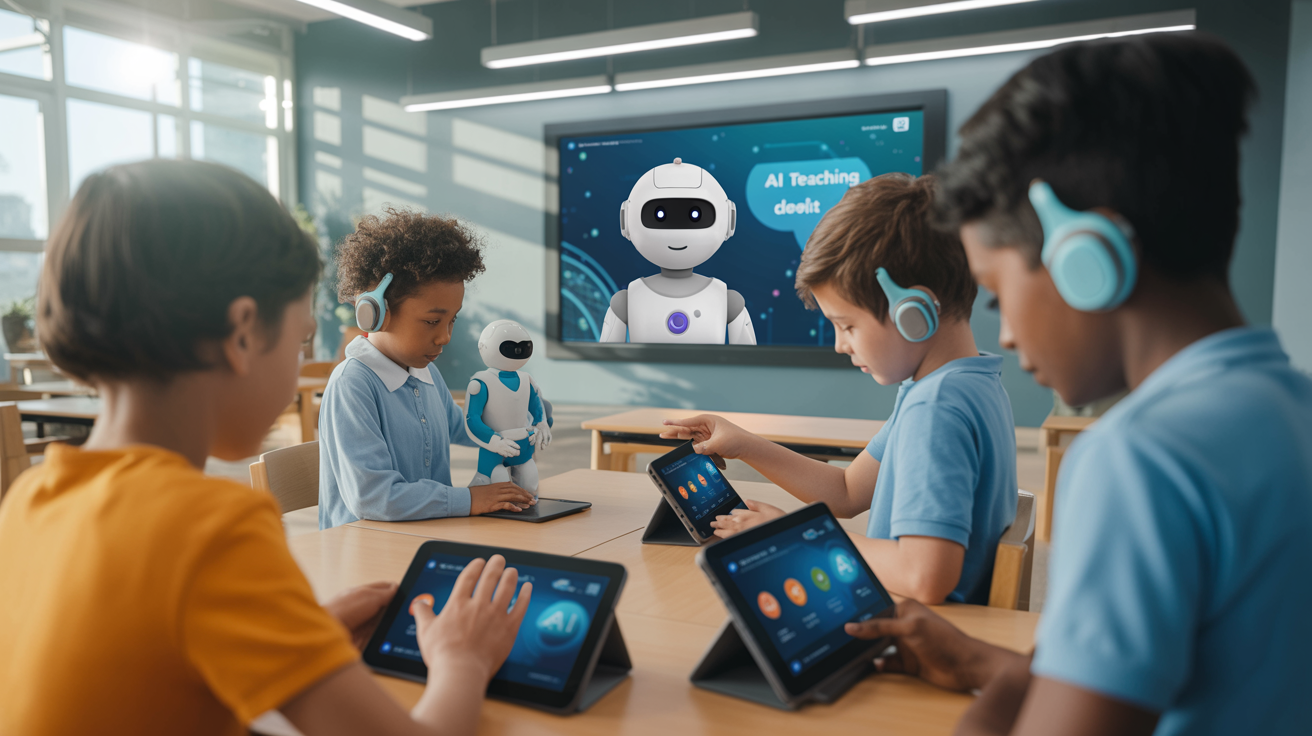
This is the kind of integrated, holistic vision that AIPILOT brings to language education. Beyond captioning tools, platforms like TalkiCardo — Smart AI Chat Cards for Kids reflect a broader philosophy: that AI should be a safe, engaging, and emotionally supportive companion throughout a child's learning journey, not just a transcription engine. When a deaf child can interact with AI-driven learning tools that respond to their pace, celebrate their progress, and provide genuine companionship through the sometimes-isolating experience of language learning, the impact goes far beyond academics. It builds confidence and belonging.
Ensuring equitable access to education for deaf and hard-of-hearing learners requires more than textual transcription — it demands solutions that reflect the full richness of human communication. AI that integrates emotional cues, contextual understanding, and personalized pacing is the direction the field is moving — and it's an exciting one.
What to Look for in an Assistive AI Tool for Mandarin Captioning
If you're a parent, educator, or school administrator exploring real-time Mandarin subtitle solutions for a deaf student, not all tools are created equal. Here's what genuinely matters when evaluating your options:
- Mandarin-specific accuracy — Does the system handle tones correctly? Can it distinguish homophones from context? Has it been trained on real, conversational Mandarin rather than formal read-aloud speech? Effective tools must address the unique challenges of Chinese, such as tonal accuracy and character-sound mapping, while also supporting learners' emotional needs.
- Low latency — A delay of more than a couple of seconds between speech and subtitle display breaks the natural flow of a lesson. Look for tools that advertise near-instant or real-time caption generation, not delayed transcription.
- Noise resilience – Performance in noisy environments is a key differentiator; look for devices with noise-canceling microphones to deliver clearer transcriptions with minimal delay. A classroom is rarely quiet.
- Comfort and usability — The best assistive technology is the one a student will actually use every day. Whether it's a tablet app, desktop software, or wearable device, ease of setup and day-to-day comfort matter enormously for sustained adoption.
- Privacy and data safety — Especially for children, any AI tool processing audio in a classroom should have clear, transparent data privacy policies. School administrators should confirm how audio data is stored, processed, and protected.
- Integration with broader learning tools — Look for platforms that allow captions to be saved as lesson transcripts, linked to vocabulary lists, or integrated with other learning management systems. Standalone captioning is good; captioning that plugs into a broader learning ecosystem is better.
It's also worth considering the emotional dimension of assistive technology adoption. For many deaf students — particularly younger children — there can be self-consciousness around using tools that feel conspicuous or "different." The most effective implementations are ones where the technology feels natural, unobtrusive, and empowering rather than stigmatizing. Educators play a huge role here: normalizing the use of captioning tools for the whole class, not just the DHH student, can transform the social dynamic entirely.
Conclusion
Real-time Mandarin subtitles powered by assistive AI represent one of the most meaningful developments in inclusive education in recent years. By giving deaf and hard-of-hearing students accurate, instant access to spoken Mandarin content, this technology doesn't just level the playing field — it opens doors to participation, confidence, and genuine belonging that too many students have been locked out of for far too long.
Yes, Mandarin's tonal complexity and logographic writing system make this a harder problem than captioning English or Spanish. But that's precisely what makes the progress so impressive. Modern deep learning models are now capable of handling real-world Mandarin speech at classroom pace with accuracy levels that were unimaginable just a few years ago, and the technology continues to improve rapidly. The gap between what assistive AI can do today and what it could do for deaf students is closing fast.
For parents, the takeaway is simple: explore what's available, advocate for your child's right to real-time access in the classroom, and look for tools that support not just their hearing needs but their whole learning journey. For educators, the message is equally clear: the tools exist, they work, and your deaf students deserve to be in the room — fully in the room — for every lesson, joke, question, and lightbulb moment. Assistive AI makes that possible.
Ready to Explore AI-Powered Learning for Your Child?
At AIPILOT, we believe every child deserves an engaged, supported, and joyful learning experience — regardless of the barriers they face. From smart AI chat tools designed for kids to AI-powered language learning companions, our solutions are built with your child's wellbeing and growth at heart.
Discover AIPILOT's Learning Solutions →