How to Choose a Translator Device: Features, Accuracy, and Price Explained
Posted by Aipilot on
Picture this: you're standing at a crossroads in a foreign city, phone battery at 3%, and the street signs might as well be abstract art. Or maybe you're a teacher trying to welcome a new student who speaks a completely different language. Or a parent wondering why your kid is terrified to practice a new language out loud. Whatever your situation, one thing is clear — language barriers are real, and the right translator device can be the difference between a stressful experience and a genuinely magical one.
But here's the thing: the market is flooded with options. Pocket translators, smart earbuds, AI-powered cards, modular hubs — it can feel like choosing a translator device requires a PhD in linguistics and a degree in electrical engineering. It doesn't. This guide breaks it all down in plain language (pun very much intended): what features actually matter, how accurate these devices really are in the real world, and how much you should expect to spend. By the end, you'll know exactly what to look for — and exactly what to skip.
What Is a Translator Device (and Do You Actually Need One)?
A translator device is a dedicated piece of hardware designed to convert spoken or written words from one language to another — in real time, and usually without depending entirely on your smartphone. Unlike a translation app, a standalone translator device comes with its own microphones, speakers, processing power, and often a touchscreen built specifically for the job. Think of it as a specialized tool rather than a Swiss Army knife: it might not play your Spotify playlist, but it will confidently handle a conversation in Mandarin while you're standing in a noisy Beijing market.
So do you actually need one? That depends on how and where you communicate. If you travel frequently, work across language barriers, teach multilingual classrooms, or are supporting a child learning a new language, a dedicated translator device offers real advantages over a smartphone app — faster response times, better microphone quality, no distracting notifications, and in many cases, full offline functionality. If you only need to translate a restaurant menu once a year, your phone app is probably fine. For everyone else, a good translator device is worth serious consideration.
Types of Translator Devices: Which One Fits Your Life?
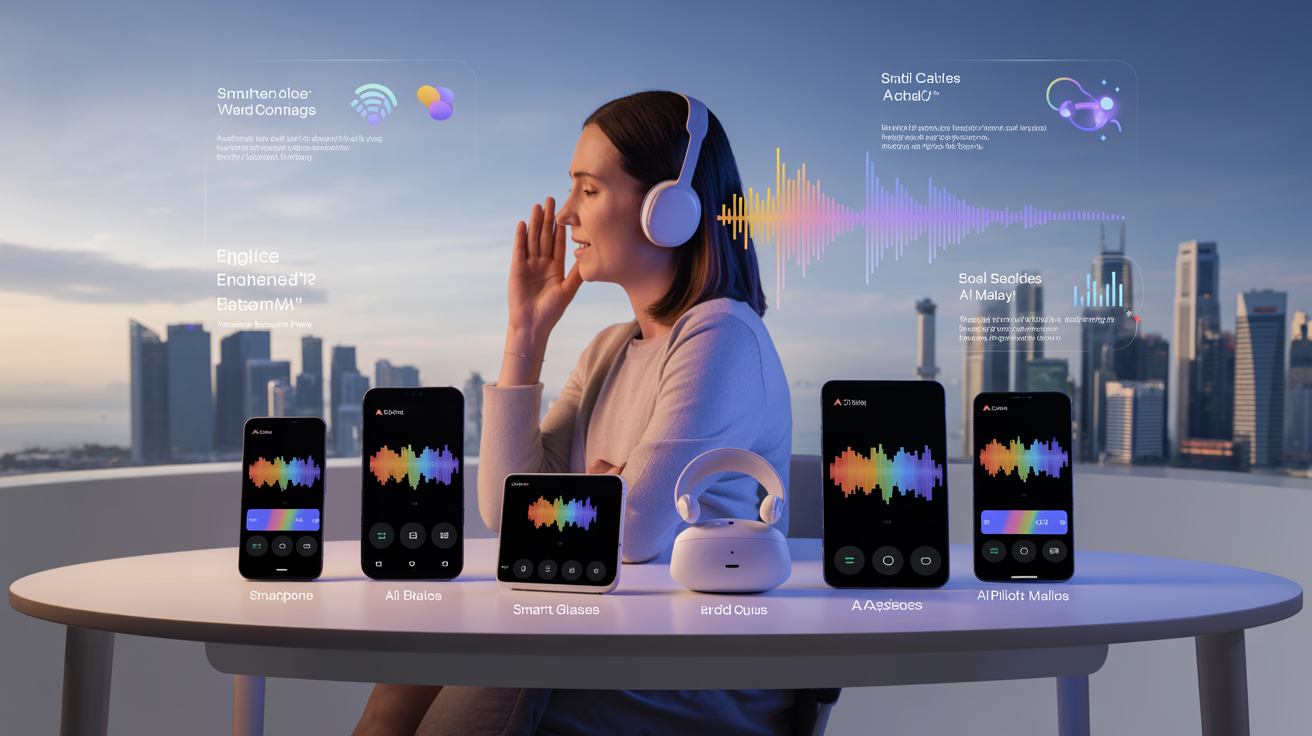
Not all translator devices are built the same way, and the right form factor depends heavily on how you plan to use it. There are three main categories on the market today, each with its own strengths and trade-offs.
Handheld pocket translators are the most common and versatile option. They look a bit like a chunky smartphone, feature a touchscreen, built-in speaker, and dedicated microphones. They're great for travelers, business professionals, and educators because they offer visual confirmation of translations, are easy to share across a table, and often include extras like photo translation (point the camera at a sign and get an instant translation). The trade-off is portability — they're pocket-friendly but not invisible.
Smart earbud translators take a more discreet approach. Each person in the conversation wears a bud, and translations are delivered directly into the ear, creating a more natural conversational flow. These are ideal for one-on-one interactions — a business meeting, a guided tour, a language exchange session. The downside is battery life (usually around two to three hours of active translation) and they can struggle when more than two people are talking at once.
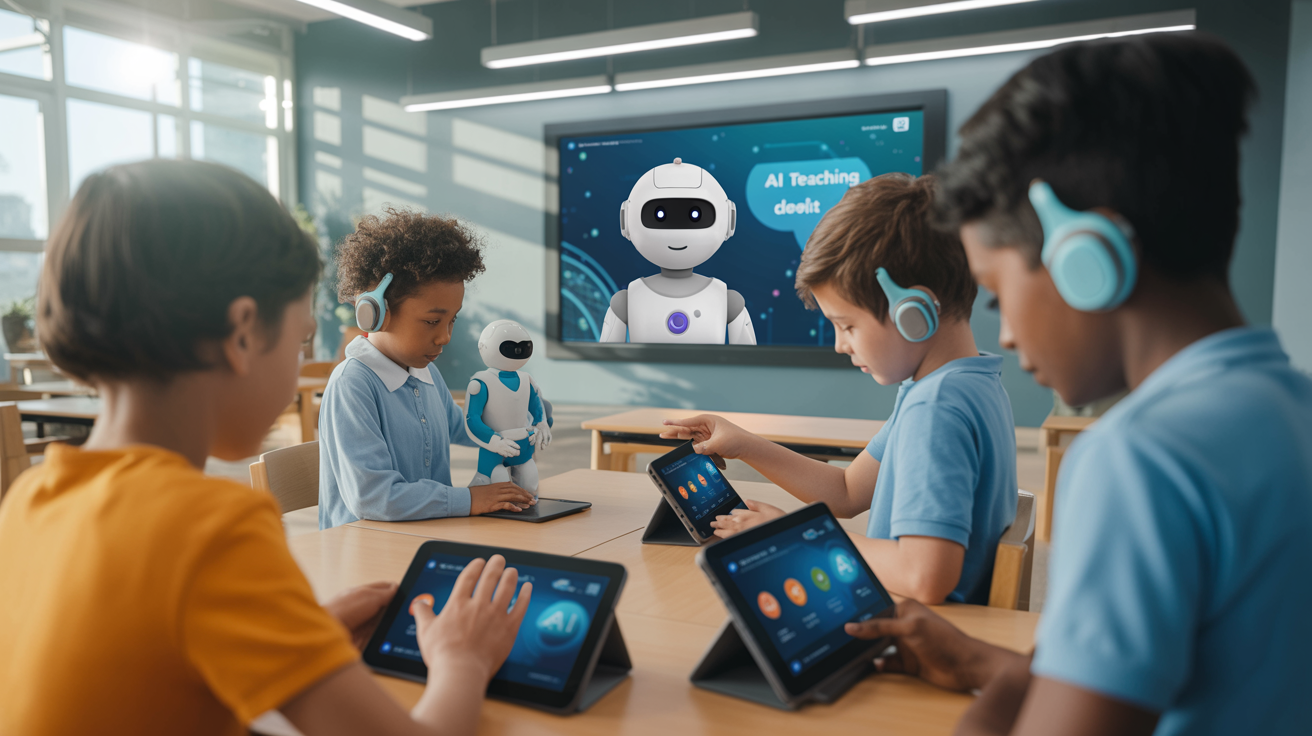
AI-powered smart cards and companion devices represent an exciting newer category, especially relevant for language learners and kids. Rather than replacing a full conversation, these devices focus on building language skills through interaction, prompts, and guided practice. They're less about instant translation and more about building genuine fluency over time — a fundamentally different (and often more valuable) goal. If you're looking for a tool that grows with a young learner, this category deserves a close look. Products like the TalkiCardo Smart AI Chat Cards for Kids are a great example — designed specifically to make language communication safe, engaging, and effective for children, blending AI-powered interaction with a child-friendly experience.
Key Features to Look For in a Translator Device
When you're comparing translator devices, the spec sheets can look overwhelming. Here are the features that genuinely move the needle in real-world use — and a few that are more marketing fluff than substance.
Offline Language Support
This is arguably the most practical feature to check first. Offline capability means the device can translate without a Wi-Fi or cellular connection, which is essential if you're traveling to areas with spotty connectivity, working in remote locations, or simply don't want to burn through mobile data. When checking offline support, look beyond the total language count — verify that your specific language pair (say, English to Thai, or Spanish to Arabic) is available offline, not just online. Some devices advertise large offline language libraries but only support the most common pairs fully.
Microphone Quality and Noise Handling
The microphone setup is one of the most underrated factors in a translator device's performance. A dual-microphone array with directional beamforming dramatically improves accuracy in noisy environments like markets, airports, or busy classrooms. When you're evaluating a device, look for terms like "dual-mic beamforming" or "ambient noise reduction" rather than vague "AI-enhanced audio" claims. In practice, good noise suppression can mean the difference between a clean translation and a garbled guess — especially when background chatter is involved.
Response Latency
Latency refers to the delay between when you finish speaking and when the translated output is delivered. Modern dedicated translator devices typically deliver translations in under 1.5 seconds for most language pairs, which feels natural in conversation. Anything above two seconds starts to feel awkward, like texting in slow motion. If a device claims "real-time" translation but doesn't back that up with a latency figure, it's worth being skeptical — always check independent reviews that test this in realistic settings, not just quiet labs.
Battery Life in Active Use
Manufacturers love to quote standby battery numbers, which can look impressively large. What matters is active use battery life — how long the device lasts when you're actually having conversations. Look for at least 8 to 12 hours of active translation, especially if you're a traveler, tour guide, or educator who uses the device continuously throughout the day. Quick-charge capability (getting to 80% in around 25 to 30 minutes) is a genuinely useful bonus for on-the-go users.
Input Flexibility
The best translator devices don't rely on voice input alone. Look for devices that support voice, text, and photo translation modes. Photo translation (also called camera or OCR translation) lets you point the device at a written sign, menu, or document and get an instant translation — incredibly useful for travelers and language learners navigating real-world text. This multi-modal approach makes a device far more versatile across different situations.
Firmware Updates and Long-Term Support
A translator device is only as good as its underlying AI models, and those models improve over time. Choose a brand that regularly publishes firmware updates and improves its language models. Brands that go silent after the product launches tend to leave users stuck with an outdated translation engine. Over-the-air updates mean you don't need a computer — the device updates itself via Wi-Fi, which is a small but important convenience marker.
How Accurate Are Translator Devices, Really?
Here's where many buyers get surprised: the accuracy figures on the box don't always match the accuracy you experience in the wild. Marketing claims of "98% accuracy" are typically measured under ideal conditions — clear speech, quiet environments, and common language pairs like English-Spanish. Real-world accuracy is a different story. In controlled, quiet environments, good devices achieve roughly 89% to 93% intelligibility for the top language pairs. In noisy environments, that number can drop to 68% to 77%.
A few honest nuances worth knowing. First, translator devices handle common, straightforward phrases extremely well — ordering food, asking directions, confirming addresses, basic business exchanges. Where they struggle is with idiomatic expressions, humor, strong regional accents, and highly technical or legal language. A device might correctly translate "Where is the nearest train station?" while stumbling over a joke involving cultural wordplay. Second, accuracy varies significantly by language pair. Top pairs like English-French, English-Spanish, and English-Mandarin tend to perform best. Less common pairs may show noticeably lower quality, especially offline.
The practical takeaway is this: for functional communication — the kind that gets you through travel, business meetings, classroom interactions, and everyday exchanges — modern translator devices are genuinely reliable. For literary translation, legal documents, or medical consultations requiring precise terminology, a human professional translator remains the gold standard. Know what you're using the device for, and match your expectations accordingly.
Price Breakdown: What Does Your Budget Actually Buy?
Translator device pricing clusters fairly predictably into three tiers, and understanding what each tier delivers helps you avoid overpaying for features you don't need — or underpaying and ending up disappointed.
- Entry tier ($80–$130): These devices typically support 20 to 30 offline languages, offer 8 to 10 hours of battery life, and include basic noise suppression. They're a reasonable starting point for casual travelers or occasional users who want a dedicated device without a major investment. The trade-off is that mic quality and accuracy in noisy environments tend to be noticeably lower than mid-range options.
- Mid-range tier ($140–$220): This is where the best value lives for most people. Devices in this range generally support 35 to 50 offline languages, feature dual-microphone arrays with adaptive beamforming, offer 12-plus hours of active battery life, and support regular firmware updates. This tier covers the needs of most travelers, educators, and business professionals confidently.
- Premium tier ($230–$350+): Pro-tier devices add features like speaker diarization (identifying which person said what in a group), custom vocabulary injection for industry-specific terms, multi-speaker support for up to four or more participants, and enterprise management tools. These are most justified for teams, organizations hosting multilingual events, or professionals in specialized fields who need consistent, high-stakes performance.
A helpful reality check: for the vast majority of users, a mid-range device in the $160 to $200 range delivers around 90% of the real-world performance of a premium device at a significantly lower cost. Spending more buys incremental improvements in latency and edge-case accuracy — not a fundamentally different experience. Set your budget based on how frequently and how critically you'll use the device, then choose the best-specified option within that range.
Translator Devices for Kids and Language Learners
There's an important distinction that often gets overlooked in translator device buying guides: the difference between a device built for real-time translation and one built for language learning. For adults navigating a foreign city or conducting business internationally, a fast, accurate handheld translator is the right tool. For children or language learners building genuine communication skills, the goal isn't just to get a quick answer — it's to build real understanding and confidence over time.
For young learners especially, the best "translator devices" are actually AI-powered language companions that make practice feel like play. Kids learn best through interaction, repetition, and emotional engagement — not by passively consuming translated text. That's the philosophy behind products like the TalkiCardo Smart AI Chat Cards for Kids, which combine AI-driven communication tools with a safe, child-friendly design that encourages real language engagement rather than passive lookup. When a child is building early language skills, you want a tool that builds confidence alongside vocabulary — and that means thinking beyond the traditional translator device category entirely.
For adult language learners, AI-powered platforms that offer immersive practice, conversational role-play, and real-time feedback are far more effective for skill development than a translation device alone. AIPILOT's approach — combining smart hardware with AI learning models — reflects this understanding, supporting learners in listening, speaking, reading, and writing rather than simply bridging a one-off communication gap.
Your Step-by-Step Decision Guide
Ready to cut through the noise and find the right device? Walk through these steps in order — this checklist is designed to eliminate the most common buying mistakes and false dilemmas.
- Define your primary use case first. Are you a frequent traveler? A classroom educator? A business professional? A parent supporting a young language learner? Your use case determines whether you need a handheld translator, earbud system, or an AI learning companion — and these are very different products.
- Verify offline support for your specific language pairs. Don't rely on the total language count on the box. Download or request the manufacturer's offline language list and confirm that your actual required pairs (not just "English" and "Spanish" in general) are supported fully offline.
- Check real-world reviews, not just specs. Independent testing consistently shows gaps between claimed accuracy and field performance. Look for reviews that test devices in realistic, noisy environments — not just quiet studio conditions.
- Match battery life to your actual usage pattern. If you use a translator for 10 minutes a day, entry-tier battery life is fine. If you're a tour guide or educator running sessions all day, 12-plus hours of active translation is non-negotiable. Always check whether the quoted battery figure refers to active translation or standby mode — the difference can be significant.
- Think long-term: check firmware and update policy. A device with active firmware updates will improve over time. One that launches and goes silent will gradually fall behind. Prioritize brands with a track record of ongoing language model improvements.
- Consider whether translation or learning is the real goal. If you or a loved one is actively building language skills, a dedicated AI language learning tool may deliver far more value than a real-time translator. Sometimes the best translation device isn't a translator at all — it's a smart companion that helps you need the translator less and less.
Frequently Asked Questions
Do translator devices work without internet?
Yes — most mid-range and premium devices support offline translation for a core set of language pairs, typically between 20 and 50 languages depending on the model. Offline accuracy is generally high for common phrases and standard conversational speech. For idiomatic or highly technical content, some devices will default to cloud-assisted translation if a connection is available, which can improve results. Always verify your specific language pair is included in the offline library before purchasing.
Are translator devices better than phone apps?
For dedicated, frequent use — yes, in several meaningful ways. Dedicated devices offer faster response times, better microphone quality optimized specifically for voice capture, no notification distractions, and more reliable offline functionality. Phone apps are excellent for occasional, on-the-fly translation needs and cost nothing. The choice comes down to how central translation is to your daily or professional life.
Can translator devices handle group conversations?
Basic devices struggle when multiple people speak simultaneously or in rapid succession. Advanced models with speaker diarization technology can distinguish between speakers and attribute translations correctly — typically supporting up to four participants. Performance does drop in high-noise environments or with very fast speech. If group translation is a priority, look specifically for devices that advertise multi-speaker support and check independent reviews of that feature specifically.
Is my voice data safe with a translator device?
In offline mode, audio is processed entirely on the device itself — nothing is transmitted externally. When cloud sync is enabled, voice data is typically processed briefly on the provider's servers and deleted within a short window. Always review the manufacturer's privacy policy and, for sensitive conversations, enable offline mode by default. Reputable brands are transparent about their data handling practices.
What's the best translator device for a child or language learner?
For young learners, a real-time translation device may not be the most effective tool. AI-powered language companions designed specifically for kids — like the TalkiCardo Smart AI Chat Cards — are built to make language interaction engaging, age-appropriate, and genuinely educational. The goal for learners isn't just to receive a translation; it's to build real understanding, vocabulary, and communication confidence over time.
The Bottom Line
Choosing the right translator device doesn't have to feel like deciphering a foreign language itself. The key is knowing what problem you're actually trying to solve. For travelers and professionals who need reliable, hands-free, real-world translation across multiple languages, a mid-range handheld device with strong offline support and dual microphones hits the sweet spot at a fraction of premium-tier cost. For discreet one-on-one conversations, smart earbuds are a compelling option — as long as you verify battery life and accent support in your specific language pair. And for children or anyone genuinely building language skills, the best investment isn't a translator device at all — it's a smart AI learning companion that makes language feel like an adventure, not a lookup task.
Whatever your situation, the right tool exists. You just have to know what to look for — and now you do.
Ready to Break Language Barriers the Smart Way?
At AIPILOT, we believe the best way to overcome a language barrier is to build genuine communication skills — not just translate your way through them. From AI-powered learning tools for kids to smart devices that support real language development, we help students, educators, and professionals achieve measurable progress with warmth, intelligence, and a little bit of fun.
Explore AIPILOT's AI Language Solutions →