Translation Devices Explained: Offline, Real-Time and Two-Way
Posted by Aipilot on
Picture this: you're standing in the middle of a bustling street market in a foreign city, holding up your phone at arm's length while slowly enunciating words into Google Translate, hoping the person across from you has the patience of a saint. It's awkward, it's slow, and it definitely doesn't feel like the seamless global communication we were promised by science fiction.
Thankfully, translation technology has come a very long way — and today's translation devices are genuinely impressive pieces of kit. But here's the thing: not all translation devices work the same way, and the difference between an offline translator, a real-time translator, and a two-way translator matters a lot depending on who you are and what you need. A parent helping their child communicate in a multilingual classroom has very different needs from a business traveler closing deals in Tokyo or a student studying abroad for a semester.
In this guide, we break down each type clearly and honestly — what they do, how they work, where they shine, and where they fall short. By the end, you'll know exactly which kind of translation device fits your life (and possibly your kids' learning journey too).
What Is a Translation Device, Really?
A translation device is a piece of hardware — or a hardware-software combination — designed specifically to convert spoken or written language from one language into another, usually in a matter of seconds. Unlike the translation feature buried somewhere in your smartphone's settings, a dedicated translation device is built to do one thing exceptionally well: help people who speak different languages understand each other. Think of it as the difference between a Swiss Army knife and a chef's kitchen knife. Sure, the Swiss Army knife technically has a blade, but the chef's knife is just built for the job.
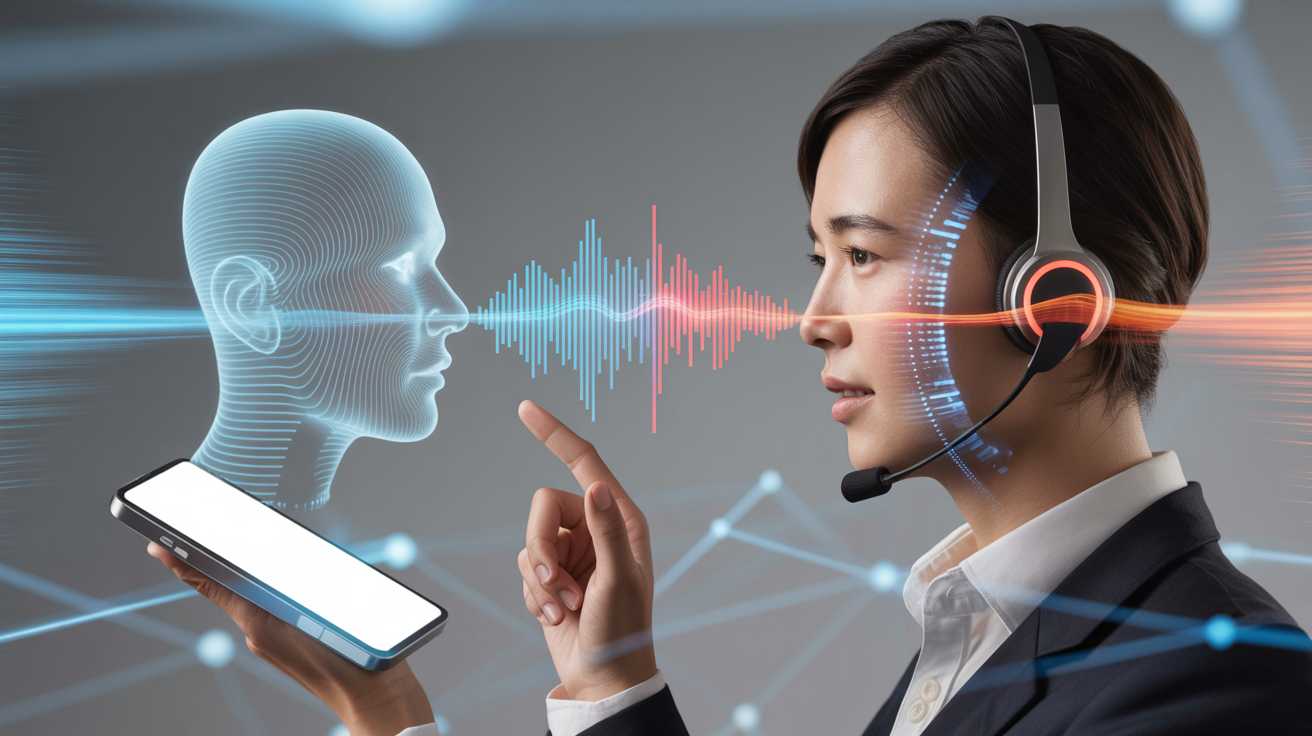
Modern translation devices rely on a combination of technologies working together. Speech recognition captures and processes what you say, neural machine translation (NMT) powered by artificial intelligence converts the meaning across languages, and text-to-speech technology plays back the translated result in a natural voice. The best devices do all of this in under a second, making conversations feel genuinely fluid rather than stilted. As AI models have grown more sophisticated, these devices have moved well beyond clunky word-for-word substitutions and now handle context, tone, and even regional dialects with impressive accuracy.
The market today broadly organizes translation devices into three meaningful categories: offline translators, real-time translators, and two-way translators. These terms get tossed around interchangeably in product listings, which creates a lot of confusion for buyers. In reality, they describe distinct capabilities — and knowing the difference helps you make a much smarter purchase decision.
Offline Translation Devices: Freedom Without Wi-Fi
Offline translation devices are exactly what they sound like: translators that work without an internet connection. Instead of sending your speech to a cloud server for processing, these devices store pre-loaded language models directly on the hardware, so all the heavy lifting happens locally. This makes them genuinely useful in the kinds of scenarios where most translation devices let you down — on a long-haul flight, in a mountain village, on a remote hiking trail, or anywhere that reliable Wi-Fi is more of a hopeful rumor than a guarantee.
The trade-off, and it's a real one, is accuracy and language coverage. Because offline models have to fit onto the device itself rather than drawing on vast cloud-based AI systems, they tend to support fewer languages and may struggle more with complex sentences, idiomatic expressions, or strongly accented speech. Translations are often perfectly serviceable for practical, everyday communication — ordering food, asking for directions, handling basic logistics — but they may produce awkward phrasings when sentences get more nuanced or conversational. That said, the technology has improved significantly, with some newer offline models delivering response times under half a second and claimed accuracy rates above 90% for supported language pairs.
Offline translation is also worth understanding from a battery perspective. Processing speech locally requires more computational power from the device itself, which means offline mode can actually drain batteries faster than the online equivalent. A good offline translator should have at least a 1,500mAh battery to handle a full day of use. If you're planning to rely heavily on offline mode, battery life and which specific languages are supported offline (not just the headline total) should be at the very top of your checklist.
Best for:
- International travelers visiting areas with poor connectivity
- In-flight communication
- Remote work or field scenarios
- Users with data privacy concerns who prefer on-device processing
Real-Time Translation Devices: Speed Is Everything
Real-time translation takes things a step further. While offline translation still asks you to finish speaking before it processes your words, true real-time translation begins processing your speech as you're still saying it, delivering a translated output within moments of you completing a thought. The difference in conversational feel is significant — it's the difference between sending letters back and forth and actually having a phone call. Real-time translation is what makes conversations feel natural rather than like two people patiently waiting their turn at a translation machine.
This kind of translation is powered by cloud-based AI, which means it requires a stable internet connection — usually Wi-Fi or mobile data via a built-in eSIM. The advantage is that cloud-based systems have access to far more powerful AI models and vastly larger language databases than anything that could fit on a device. They handle slang, regional accents, informal speech, and complex sentence structures far more reliably than their offline counterparts. Some premium devices use multiple AI engines simultaneously — querying providers like Google, DeepL, and Microsoft at once — and automatically select the most accurate result, which reduces translation errors meaningfully.
Latency — the delay between speaking and hearing the translated output — is the key performance metric to watch here. A wait of 0.5 to 1.5 seconds is generally considered the acceptable range for natural conversation. Anything beyond three seconds starts to feel awkward, breaking the natural rhythm of dialogue. Premium real-time translation devices are designed to keep latency in that sweet spot, and many advertise sub-second response times for their core language pairs, though real-world performance in noisy environments can vary.
Best for:
- Business meetings and professional communication
- Study-abroad students who need sustained, accurate translation
- Customer service or hospitality settings
- Travel in well-connected cities and regions
Two-Way Translation Devices: Let the Conversation Flow
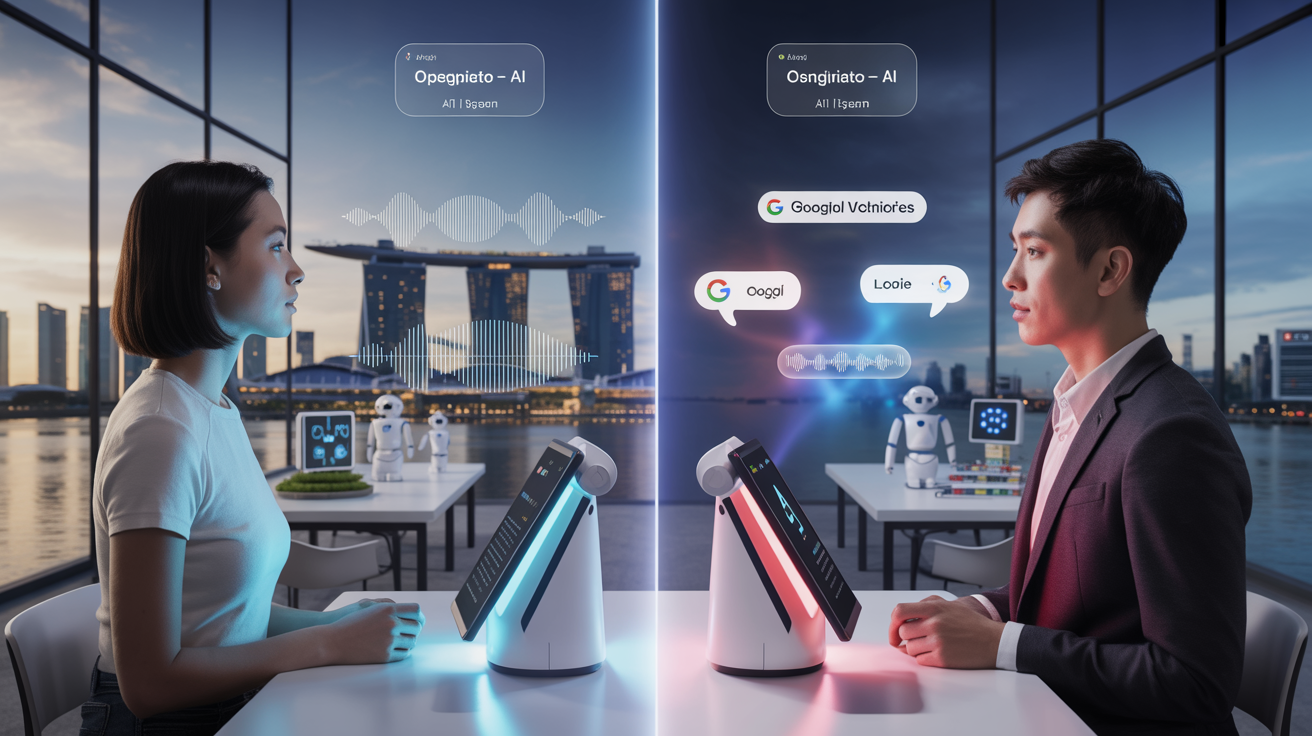
Two-way translation is less about the underlying technology and more about the interaction design — it's about making a back-and-forth conversation between two people speaking different languages feel as natural as possible. A two-way translation device captures Person A speaking in Language 1, translates it into Language 2 and delivers it to Person B, then immediately flips direction to capture Person B's response in Language 2 and translates it back to Person A in Language 1. The device essentially acts as a live interpreter sitting between two speakers, handling both directions of the conversation without either person needing to do anything other than talk.
Two-way translation comes in a few different physical forms. Handheld devices with a shared screen are common — both speakers can see the translated text, and the device switches listening direction automatically or with a button press. Earbud-based two-way translators are another approach: each person wears one earbud, and the system delivers translated audio directly into each listener's ear, making the conversation feel almost seamless. The earbud setup works especially well in casual, face-to-face situations where holding a device between two people feels a bit formal or clunky.
It's worth knowing that many devices marketed as "two-way" translators are actually just standard translators with a simple toggle feature to switch the source and target language. True seamless two-way translation — where the device intelligently identifies who is speaking and in which language, then routes the translation appropriately — is a more sophisticated capability found mainly in premium devices. For most everyday use cases, a simple button-toggle two-way mode works just fine. But if you're expecting hands-free, simultaneous dialogue, it's worth reading the specs carefully before purchasing.
Best for:
- Face-to-face conversations with locals while traveling
- Healthcare or customer service contexts
- Multilingual family settings
- International business dialogue and negotiations
Offline vs. Real-Time vs. Two-Way: How They Actually Compare
Here's the honest truth: these three categories overlap significantly, and a good translation device will often offer all three capabilities at once. A single handheld device might offer offline mode for when you're on a plane, real-time cloud translation for when you're back in the city, and a two-way conversation mode for when you meet someone who speaks a different language. Understanding the categories isn't about choosing between them — it's about knowing which features matter most for your specific needs and making sure the device you're looking at actually delivers on them well.
The table below summarizes the key differences at a glance:
| Feature | Offline Translation | Real-Time Translation | Two-Way Translation |
|---|---|---|---|
| Internet required? | No | Yes (cloud-based) | Usually yes |
| Translation speed | Fast (local processing) | Very fast (<1 sec for premium) | Fast (depends on mode) |
| Accuracy | Good for basics; limited for nuance | High; handles slang and context | Varies by device quality |
| Language count | Limited (typically 13–30 pairs) | High (100+ languages) | Varies (40–164 depending on device) |
| Conversation style | One-directional or toggle | One-directional or simultaneous | Bidirectional dialogue |
| Best use case | Remote travel, flights | Business, study abroad | Face-to-face conversations |
One practical note that often gets overlooked: when manufacturers advertise a device supporting 150 languages, that headline number usually refers to online mode only. The offline language count — the one that actually matters when you have no connectivity — is almost always much smaller, typically 13 to 30 language pairs at best. Always read the offline language list specifically, not just the total language count.
Translation Devices and Language Learning: More Than Just a Shortcut
Here's a question worth sitting with: if your phone can translate anything instantly, do translation devices actually help you learn a language — or do they just make it easier to avoid learning one? The honest answer is that it depends entirely on how you use them. Used thoughtlessly, a translation device becomes a crutch. Used intentionally, it can be one of the most effective tools for building real-world language confidence, because it lowers the anxiety of real communication enough to actually get you practicing.
For children especially, the relationship between translation tools and language learning is nuanced. AI-powered language tools that incorporate translation alongside interactive practice — speaking, listening, responding, and receiving immediate feedback — can dramatically accelerate language acquisition. The key is that the translation supports comprehension and builds bridges to new vocabulary, rather than replacing the child's own effort to communicate. AI tools that give kids instant translations while also prompting them to try saying it themselves create a much richer learning loop than passive translation alone.
This is where smart, purpose-built AI tools for kids go beyond what a standard translation device can offer. For example, TalkiCardo — AIPILOT's Smart AI Chat Cards for Kids — blends communication support with language practice in a format that's safe, engaging, and specifically designed for children's learning journeys. Rather than simply translating, it creates meaningful interaction opportunities that build vocabulary and confidence in a fun, age-appropriate way. It's the difference between handing a child a dictionary and giving them a conversation partner who meets them at their level.
For adult learners and professionals, real-time translation devices can serve a similar bridging function — they provide enough comprehension support to participate in real conversations with native speakers, which is where most language learning actually accelerates. The exposure to natural speech patterns, rhythm, and vocabulary in context is far more effective than any classroom drill. Translation devices, used thoughtfully, make that immersive exposure accessible even before you're fluent.
What to Look for Before You Buy
With so many devices on the market making similar-sounding claims, it helps to have a clear framework for evaluating them. Here are the factors that genuinely matter — not just the ones that look impressive in a marketing bullet point.
Offline Language Support (Not Just Total Language Count)
The total number of languages a device supports is one of the most misleading specs in this category. A device that claims 150 languages may only support 20 of those in offline mode — and if you're traveling internationally, offline capability is often when you need translation most. Before purchasing, check the exact list of languages supported offline and confirm your target language is on it.
Connectivity Type: eSIM, Wi-Fi, or Offline-Only
Devices fall into three connectivity categories, each with practical implications. eSIM devices have built-in cellular connectivity and work like a smartphone — turn them on and they connect automatically. Wi-Fi-only devices require a hotspot or local network, which can be inconvenient when traveling. Offline-only devices skip internet altogether, relying on preloaded language packs — useful in truly remote settings but limited in accuracy and language range. Many devices combine modes, which is generally the most flexible option.
Audio Quality and Noise Handling
Translation accuracy is only as good as what the device can hear. A weak microphone in a noisy restaurant or busy market is a common failure point across many translation devices — even those that perform well in a quiet room. Look for dedicated noise-cancellation microphones and check user reviews specifically for performance in noisy real-world environments, not just controlled test conditions.
Battery Life for Your Use Case
For casual travelers, a standard 6–8 hour battery life is usually sufficient. For business professionals using a device through a full workday, or for longer international trips, look for devices with extended battery life or quick-charge capability. Remember that offline processing tends to drain batteries faster than cloud-based translation, so if you plan to use offline mode heavily, battery capacity matters even more.
Form Factor: Handheld, Earbuds, or Pen
Translation devices come in three main physical forms. Handheld devices with screens are great for shared viewing and work well in group or face-to-face settings. Earbud-style translators are discreet and hands-free, ideal for continuous wear during travel or meetings. Translation pens are specialized tools for scanning and translating printed text — menus, signs, documents — rather than live speech. Your use case should drive your form factor choice, not aesthetics alone.
Accent and Dialect Recognition
Language is wonderfully messy. Spanish spoken in Mexico sounds different from Spanish spoken in Spain, and Mandarin in Beijing differs from Taiwanese Mandarin. A device that claims broad language support but struggles with regional accents will fail you in exactly the real-world situations you bought it for. Look for devices that explicitly mention accent and dialect support, especially for the language pairs you use most.
Final Thoughts: Choosing the Right Tool for the Right Moment
Translation devices have genuinely transformed what's possible for travelers, learners, professionals, and families navigating a multilingual world. But the right device isn't the one with the longest list of features — it's the one that matches how you actually communicate and what you actually need. An offline translator is a quiet hero for the traveler who wanders off the beaten path. A real-time cloud-connected device is the professional's secret weapon in a multilingual meeting. A two-way translator turns a potentially awkward exchange with a local stranger into something that feels surprisingly human.
For parents and educators thinking about language learning, the picture is even richer. Translation devices can play a meaningful role in a child's language journey when they're paired with tools designed to build communication skills, not just bypass them. The goal is never translation for its own sake — it's connection, confidence, and the gradual, rewarding process of being understood across languages.
Whatever your starting point — seasoned traveler, curious student, or parent supporting a multilingual child — there's a translation device built for your situation. The key is knowing what you're looking for before you start shopping.
Ready to Break Language Barriers with AI?
At AIPILOT, we build AI-powered learning tools that go beyond translation — helping students, kids, and professionals communicate with confidence and grow their language skills for real. Whether you're looking for intelligent language learning solutions or smart AI tools for your child's education, we'd love to help.