Conference Kit: Setting Up TalkiTrans for 200-Seat Halls
Posted by Aipilot on
Picture this: you've booked a 200-seat conference hall, your speakers are confirmed, and the agenda looks sharp. Then someone asks, "So... how are we handling the translation?" Cue the mild panic.
Conference translation used to mean hauling in interpreter booths the size of garden sheds, distributing hundreds of clunky receivers, and crossing your fingers that nobody loses theirs. For a 200-person event with two languages, that traditional route can easily run $8,000–$12,000 in equipment alone — before you've paid a single interpreter. It's a lot of money, a lot of logistics, and honestly, a lot of stress for what should be an exciting day.
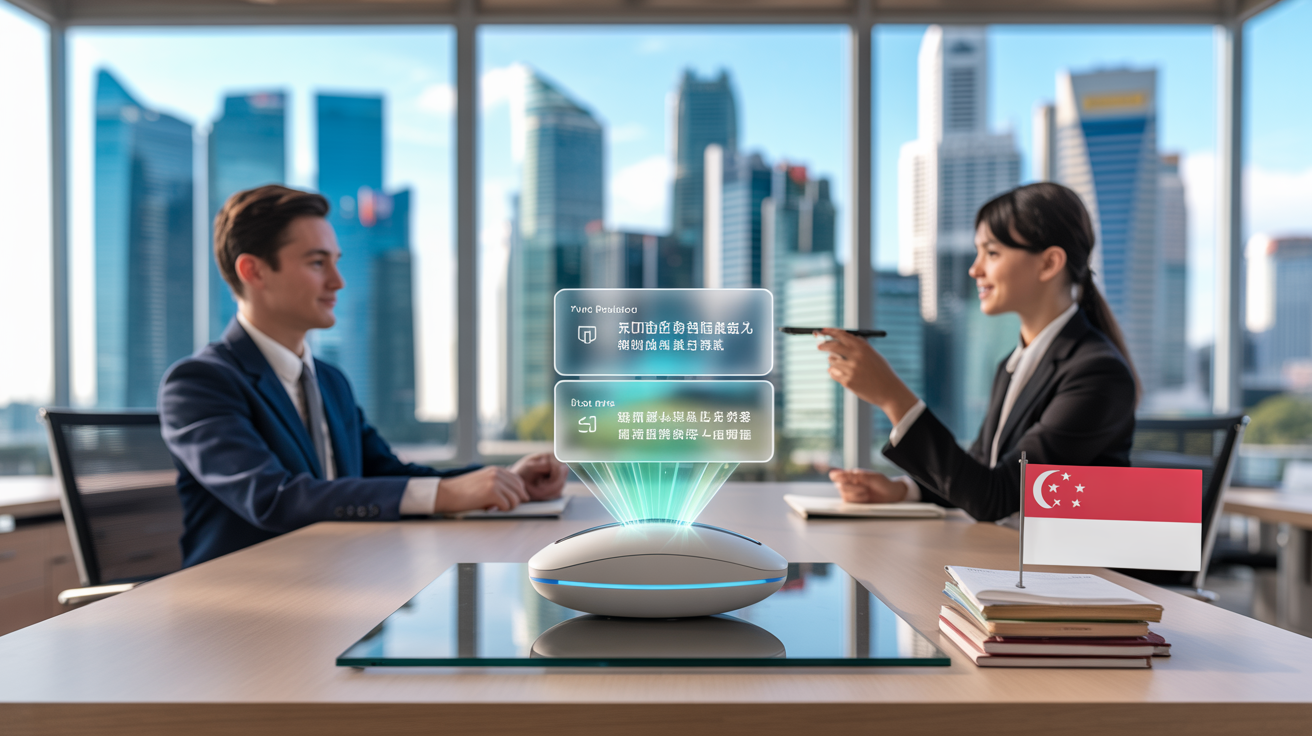
That's where TalkiTrans by AIPILOT comes in. It's an AI-powered simultaneous interpretation system built specifically for professional meetings and conferences — and it replaces the booth-and-receiver circus with something far simpler: a clean audio feed, a stable Wi-Fi connection, and your attendees' own smartphones. This guide walks you through everything you need to set up TalkiTrans for a 200-seat hall, from room acoustics to day-of checklists, so your event runs smoothly from the first keynote to the final Q&A.
Setting Up TalkiTrans for
200-Seat Conference Halls
Replace bulky interpreter booths with a clean audio feed, stable Wi-Fi, and your attendees' own smartphones — all powered by AI.
The Problem with Traditional Setup
Why TalkiTrans Changes Everything
Your Complete Equipment List
Event Day: Step-by-Step Timeline
Wi-Fi Readiness Checklist
Confirm with your venue at least 2 weeks before the event
Traditional SI vs. TalkiTrans
| Factor | Traditional SI | TalkiTrans AI |
|---|---|---|
| Equipment | 2 booths + 200 receivers | Audio feed + 1 device |
| Setup Time | 2–4 hours | 30–60 minutes |
| Daily Cost | $8,000–$12,000 | No rental cost |
| Lost Devices | $150–$400 per unit | Zero risk |
| Add a Language | New booth + team | Software config only |
| Accuracy | Varies with fatigue | Up to 99%, consistent |
| Meeting Minutes | Not included | Bilingual, within 1 hr |
5 Key Takeaways
Ready to Run a Smoother Conference?
Clean audio feed + solid Wi-Fi + smart onboarding = a fully multilingual 200-seat event with zero booth logistics.
AIPILOT · AI-Powered Multilingual Communication
Why 200-Seat Halls Are a Sweet Spot (And a Challenge)
A 200-person conference sits right at an interesting inflection point in event planning. It's large enough that informal solutions (a bilingual colleague whispering in your ear) won't cut it, but it's not so enormous that you need a dedicated AV army. It's the size of a regional industry summit, a corporate town hall, an academic symposium, or an international training day — and it's exactly the kind of event where the right translation setup makes or breaks attendee experience.
The traditional answer has always been simultaneous interpretation (SI) equipment: two ISO-compliant booths, 200 wireless receivers, transmitters, consoles, floor microphones, cabling, and a sound technician. That setup takes 2–4 hours to install, costs thousands per day to rent, and creates a small logistics operation just in receiver distribution and collection. Lose 2–5% of those receivers (a typical rate), and you're paying $150–$400 per missing unit. It works, but it's heavy, expensive, and inflexible.
AI-powered platforms like TalkiTrans approach the same problem from the opposite direction. Instead of distributing hardware to your attendees, they use the devices your attendees already have. The result is a setup that scales gracefully to 200 seats without adding proportional cost or complexity. And for organizers who've lived through the traditional booth experience, that shift feels like a genuine relief.
What Is TalkiTrans and How Does It Work?
TalkiTrans is AIPILOT's AI-powered simultaneous interpretation system, purpose-built for professional meetings and conferences. It's not a generic translation app — it understands context, speaker roles, and industry-specific terminology, which matters when your keynote speaker starts talking about regulatory frameworks or supply chain disruption. The system delivers up to 99% speech and translation accuracy through a proprietary deep neural network, even in noisy multi-speaker environments.
Here's the core pipeline, simplified: a clean audio feed is captured from the speaker's microphone or the room's AV mixer. TalkiTrans processes that audio in real time, transcribes it, translates it, and delivers the result as live subtitles or spoken audio to each attendee's device — typically within seconds. Attendees can follow along in their chosen language through their own earbuds, without any special hardware. The system also generates bilingual meeting minutes within one hour of the session's end, which is a genuinely useful post-event bonus that traditional SI equipment simply cannot offer.
For conference organizers, the practical upside is significant. There are no booths to source and install, no receiver inventory to manage, and no lost-unit fees to worry about. The only infrastructure requirements are a good audio feed and a reliable Wi-Fi network — both of which you should already be sorting for any modern 200-seat event.
What You Actually Need to Set Up TalkiTrans for 200 People
One of the best things about TalkiTrans is that the equipment list is short. Compared to the multi-page rental inventories of traditional SI setups, what you need to gather is refreshingly manageable. Here's your baseline kit for a 200-seat hall:
On the organizer's side:
- A clean audio feed from the venue's AV system (line out from the mixer or a dedicated stage microphone feed)
- A laptop or dedicated device running TalkiTrans to receive and process the audio input
- A stable, high-capacity Wi-Fi network capable of handling 200+ simultaneous connections
- Optional: a large display screen or projector showing live subtitles for the room
- Optional: a small stock of loaner devices (tablets or smartphones) for attendees who don't carry their own
On the attendee's side:
- A smartphone (any modern iOS or Android device)
- Their own earbuds or headphones
- Connection to the event Wi-Fi network
That's genuinely it. No booths, no transmitters, no 200-unit receiver inventory, and no specialist sound technician required for the interpretation side of things. The one area that does require careful attention — and where event organizers should invest real planning time — is the Wi-Fi infrastructure, which we'll cover in its own section below.
Room Setup: Audio, Display, and Seating Considerations
The physical setup of your 200-seat hall has a meaningful impact on how well TalkiTrans performs. Think of it like cooking — TalkiTrans is an excellent chef, but you still need to give it quality ingredients. The most important ingredient here is clean audio.
Getting the Audio Feed Right
TalkiTrans captures and processes a dedicated audio input feed rather than picking up ambient room sound. This means you want a direct line-out connection from your venue's AV mixer — the same feed that goes to your house speakers. If your venue provides a podium microphone or lapel mic for speakers, that signal should flow through the mixer and into TalkiTrans. For Q&A sessions, make sure your floor microphones are also patched into this feed so audience questions get captured cleanly. A noisy or inconsistent audio feed is the single biggest variable that affects AI translation accuracy, so it's worth a dedicated sound check at least an hour before doors open.
Live Subtitle Display Options
TalkiTrans supports live subtitle display, which is a thoughtful addition for 200-seat halls. You can project real-time translated captions onto a secondary screen alongside your presenter slides, giving attendees the option to read along rather than relying solely on audio through their earbuds. This is particularly useful for sessions with complex or technical content, for attendees with hearing considerations, or simply as a visible signal that the event is fully multilingual. If your venue has dual-screen capability, this is an easy win.
Seating, Signage, and Onboarding at the Door
With traditional interpretation, attendees collect receivers at registration and find their seats. With TalkiTrans, that receiver handoff becomes a simple digital onboarding step. A QR code or short link at registration (printed on badges, displayed at the entrance, or shared via the event app) is all attendees need to connect their phone to the translation stream. Place clear signage at the hall entrance explaining the process in all event languages — something along the lines of "Scan here for live translation in your language" works well. Running a brief 60-second walkthrough at the start of the opening session takes care of any remaining stragglers and sets everyone up before the first speaker begins.
Step-by-Step Setup Guide for Event Day
Good conference setup is mostly about doing the right things in the right order. Here's a practical sequence for event day that keeps you ahead of the curve rather than firefighting at the last minute.
- Arrive 2–3 hours early and confirm the AV feed – Coordinate with the venue's AV team to establish the audio line-out connection to TalkiTrans. Test with a live microphone and confirm the input level is clean and consistent. This is your single most important technical step.
- Connect TalkiTrans to the venue Wi-Fi (or dedicated SSID) – Log the TalkiTrans device into the event network. If you've arranged a dedicated SSID for translation traffic (highly recommended — more on this below), confirm that connection is live and stable.
- Run a full language test – Have a colleague speak into the microphone in each source language while you monitor the translated output on a test device. Check both audio playback and subtitle display. Adjust input levels if translation lag or accuracy feels off.
- Set up the subtitle display – If you're projecting live captions onto a secondary screen, connect your display device, confirm the output resolution, and position it for maximum visibility from all seating areas. Check sightlines from the back row — if your hall has balcony seating or obstructed sightlines, a second display on the side wall may be worthwhile.
- Prepare and test attendee access (QR code or link) – Print or display the access QR code at registration and at hall entry points. Test the full attendee flow on your own phone: scan the code, join the session, select a language, and confirm audio is coming through cleanly.
- Brief your support staff – Make sure at least one or two team members at the registration desk can walk attendees through the phone connection process. For attendees who aren't comfortable using smartphones for audio, have a small reserve of loaner devices ready with TalkiTrans already loaded.
- Run a final sound check 20 minutes before doors open – With all systems live and the room at ambient temperature (a full room is acoustically different from an empty one), do a final microphone check. Confirm the audio feed is still clean and the translation stream is active.
Following this sequence means that by the time the first attendee walks through the door, you've already tested every part of the system under real conditions. The opening session can start on time, and you can spend the conference actually watching the content rather than troubleshooting behind the scenes.
The Wi-Fi Checklist Every Organizer Should Run
If TalkiTrans has one genuine dependency, it's Wi-Fi. A 200-seat event means potentially 200 simultaneous device connections, all streaming audio data at once. Most venue Wi-Fi networks are sized for browsing and email, not real-time audio streaming at scale — and that gap can cause problems if you don't address it in advance. Here's what to confirm with your venue at least two weeks before the event:
- Concurrent connection capacity: Can the network handle 200+ simultaneous active connections? Ask for the access point specifications, not just a general "yes."
- Bandwidth: Real-time audio streaming requires roughly 128 kbps per device at a minimum. For 200 devices, you're looking at around 25–30 Mbps of sustained upload/download capacity dedicated to translation traffic alone.
- Dedicated SSID: Request a separate Wi-Fi network (SSID) specifically for the translation service. This keeps interpretation traffic isolated from general attendee browsing, social media, and file downloads — all of which compete for bandwidth on a shared network.
- Access point placement: Confirm that Wi-Fi access points cover the entire hall seating area evenly. Dead spots near the back or sides of large halls are more common than venues admit.
- Load test: If possible, ask your IT contact to run a load simulation or confirm that a comparable event has been run on the same infrastructure without issues.
- Backup plan: Know whether the venue has a secondary internet connection or a cellular signal strong enough to serve as a fallback. In rare cases where Wi-Fi fails, attendees with strong 4G/5G can continue receiving translations via mobile data.
Running through this checklist early gives you time to request infrastructure upgrades, negotiate additional access points, or make a contingency plan — not scrambling the morning of the event.
Traditional Interpretation vs. TalkiTrans: A Practical Comparison
To give you a clear sense of what you're choosing between, here's a side-by-side view of what a typical 200-seat, two-language conference looks like with traditional SI equipment versus TalkiTrans:
| Factor | Traditional SI Equipment | TalkiTrans (AI) |
|---|---|---|
| Equipment needed | 2 ISO booths, 200 receivers, transmitters, consoles, cabling | Audio feed, 1 device running TalkiTrans, Wi-Fi network |
| Setup time | 2–4 hours | 30–60 minutes |
| Equipment cost (per day) | $8,000–$12,000 | No equipment rental cost |
| Attendee device | Rented receiver (must be distributed and collected) | Attendee's own smartphone |
| Lost device risk | $150–$400 per missing unit | None |
| Meeting minutes | Not included | AI-generated bilingual minutes within 1 hour |
| Adding more languages | Additional booth, interpreters, and transmitter per language | Software configuration only |
| Technical accuracy | Depends on interpreter quality and fatigue | Up to 99% accuracy, consistent throughout session |
It's worth being honest: there are specific contexts where traditional SI remains the preferred choice — high-stakes diplomatic settings, events with regulatory mandates for certified human interpreters, or situations where attendees strongly prefer physical receiver devices. For most corporate conferences, training events, academic seminars, and industry summits in a 200-seat hall, TalkiTrans covers the needs effectively while eliminating the logistical overhead. If your event sits in a specialized regulatory category, a hybrid approach (AI translation for breakout sessions, human interpreters for main stage) is a practical middle ground worth exploring.
Speaking of language learning and communication tools for different audience needs — if your organization also works with younger learners or educational programs, AIPILOT's TalkiCardo Smart AI Chat Cards for Kids bring the same commitment to accessible, AI-powered communication into the classroom, offering a safe and engaging way for children to build language skills.
Tips for Getting Your 200 Attendees On Board
The technology side of TalkiTrans is the easy part. The slightly trickier element — as with any change from familiar conference norms — is making sure all 200 of your attendees actually know how to use it and feel comfortable doing so. Here are a few approaches that work well in practice:
- Pre-event communication: Include a simple one-paragraph explainer in your pre-conference email or app notification: "This event uses TalkiTrans for live translation. Bring your smartphone and earbuds, connect to [SSID], and scan the QR code at registration to get started." Simple, clear, no jargon.
- Prominent QR codes at multiple touchpoints: Registration desk, hall entrance, seat cards or table tents, and the opening slide of the first presentation. The more places attendees can access the connection point, the fewer support queries you'll handle.
- A 60-second onboarding at the top of the program: Your MC or event host can walk the room through the connection process before the first speaker begins. Most attendees will be connected within 90 seconds.
- Staff a small help desk near the entrance for the first 30 minutes: This is when the small cluster of attendees who need a hand (not everyone reads emails, let's be honest) will appear. One or two briefed staff members can handle the whole group quickly.
- Prepare a small loaner device reserve: For attendees who genuinely don't have a compatible smartphone, five to ten pre-loaded tablets or spare phones near registration ensures nobody is left without translation access.
Most attendees adapt quickly — many will already be familiar with scanning QR codes to access event content. The key is making the process visible and easy to find, rather than assuming everyone will seek out translation access on their own.
Frequently Asked Questions
How many languages can TalkiTrans support simultaneously at a 200-seat conference?
TalkiTrans supports simultaneous input from multiple participants without compromising translation quality, and is optimized to handle multiple language pairs in parallel. Unlike traditional SI setups where each additional language requires a separate booth and interpreter team, adding a language to TalkiTrans is a software configuration — not a separate hardware order. Check with AIPILOT's team for your specific language combination requirements.
What happens if the Wi-Fi goes down mid-session?
This is the honest trade-off with any app-based interpretation system: Wi-Fi is the dependency. The best mitigation is thorough pre-event testing (run through the Wi-Fi checklist above) and confirming with your venue that cellular reception inside the hall is adequate as a fallback. Attendees with strong 4G or 5G signals can continue receiving translations via mobile data even if the venue Wi-Fi experiences issues. For mission-critical events, arranging a backup cellular data connection for the TalkiTrans device itself is a sensible precaution.
Do attendees need to download an app?
Access to TalkiTrans at events is designed to be frictionless. Confirm the specific access method (browser-based link vs. lightweight app) with AIPILOT's team for your deployment, as options may vary depending on your configuration and enterprise setup. Browser-based access — where attendees simply scan a QR code and open a web page — is generally preferred for large events to minimize onboarding friction.
Can TalkiTrans handle technical or industry-specific vocabulary?
Yes — this is one of TalkiTrans's notable strengths. The system is optimized for professional meeting environments and understands industry-specific terminology alongside speaker context and roles. TalkiTrans also supports enterprise-level customization, which means vocabulary sets for specific industries or organizations can be configured in advance. For conferences with highly technical content (medical, legal, engineering, financial), this is a meaningful advantage over generic translation tools.
What are the meeting minutes features?
TalkiTrans automatically generates bilingual meeting minutes and delivers them within one hour of the session's end. For conferences where documentation and follow-up are important (think board-level events, training sessions, or compliance-related meetings), this is a built-in productivity benefit that comes at no extra operational cost. It's the kind of feature that makes post-event reporting significantly easier for organizers and attendees alike.
Ready to Run a Smoother Conference?
Setting up TalkiTrans for a 200-seat hall is, at its core, a straightforward process: a clean audio feed, a well-prepared Wi-Fi network, and a clear onboarding path for your attendees. What it replaces — the booths, the receiver inventory, the distribution logistics, the lost-unit fees — is where the real difference shows up, both in your event budget and in your day-of stress levels.
The shift from traditional interpretation infrastructure to AI-powered tools like TalkiTrans isn't just a cost decision (though the savings are significant). It's a move toward events that are more flexible, more scalable, and easier to run well — whether you're planning a one-day corporate summit or a multi-day international conference. With AIPILOT's focus on breaking down language barriers and making communication genuinely inclusive, TalkiTrans is built for exactly the kind of professional events where getting the translation right actually matters.
Use the step-by-step guide and Wi-Fi checklist in this article as your planning toolkit, brief your team, and go run a great conference.
See What TalkiTrans Can Do for Your Next Event
Whether you're planning a 200-seat hall or a multi-day international congress, AIPILOT's suite of AI-powered tools is built to make multilingual communication seamless, affordable, and genuinely impressive.
Explore AIPILOT Solutions →