Why Chinese Characters Feel Hard — And Why They Don’t Have to Be
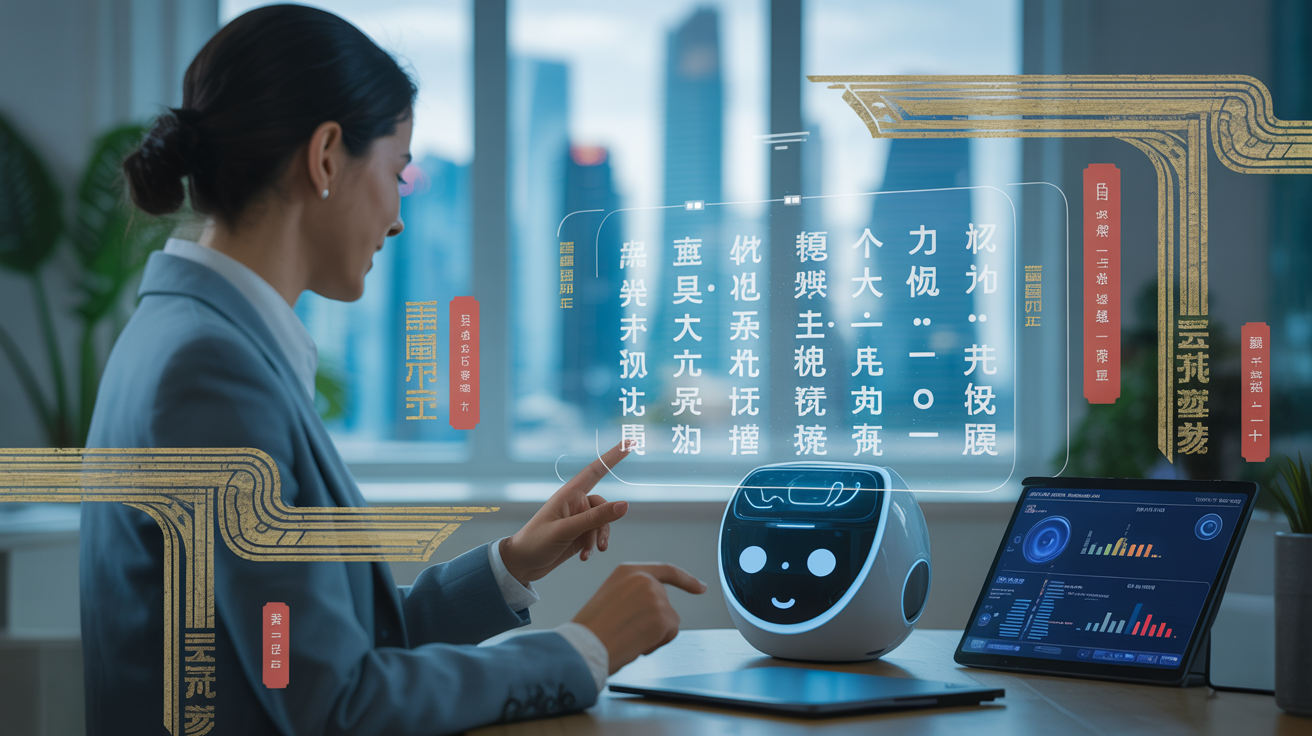
Many children and even adults believe that Chinese characters are difficult because they are complex, abstract, and require endless memorization. In reality, they feel hard because they are usually taught in isolation — without sound, emotion, or context.
No child learns their first language by memorizing symbols. They learn through:
-
Hearing words repeatedly
-
Seeing meaning in action
-
Singing songs
-
Listening to stories
-
Talking to others
This is exactly how TalkiCardo, powered by AiPilot’s AI engine, was designed.
1. Meaning Comes Before Writing
Traditional Chinese learning starts with strokes and order. TalkiCardo starts with meaning.
When a child hears a story, a song, or a sentence like:
“小猫在吃鱼” (The kitten is eating fish)“ The kitten is eating fish. (The kitten is eating fish)

They don’t just see characters — they see an image, hear a voice, and feel a story. This creates deep memory connections that make characters easier to recognize and remember.
2. Speaking Turns Characters Into Language
TalkiCardo is not a passive player — it talks and listens.TalkiCardo
Children:
-
Answer questions out loud
-
Repeat words naturally
-
Hear tones and pronunciation in real conversation

This makes Chinese characters part of real communication, not just reading practice.
3. AI Repetition That Feels Natural
TalkiCardo’s AI tracks:
-
Which characters the child knows
-
Which ones they forget
-
How fast they progress
Instead of drilling flashcards, TalkiCardo repeats difficult characters inside:
-
Stories
-
Songs
-
Conversations

This kind of spaced, contextual repetition is how the brain learns effortlessly.
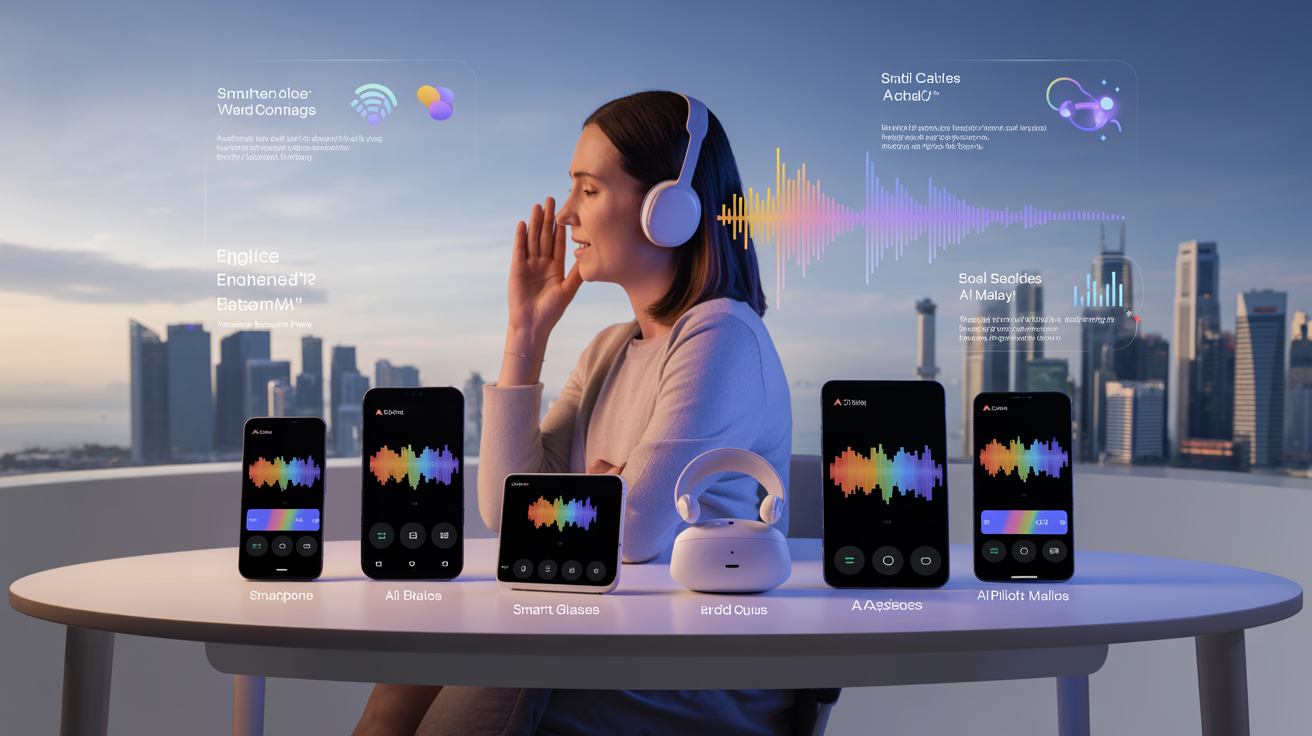
4. Songs and Videos Make Characters Stick
Children love music and visuals — and TalkiCardo uses both.
With Chinese nursery rhymes, songs, and educational videos, children:
-
Hear characters used in rhythm
-
Associate words with melody
-
Watch visual stories while listening

Music activates emotional memory, which is far stronger than mechanical memory. That’s why children remember songs long after lessons are forgotten.
5. Learning Feels Like Play, Not Study
Because TalkiCardo can:
-
Play songs
-
Tell stories
-
Show videos
-
Hold conversations
Children don’t feel like they are “studying Chinese.”
They feel like they are playing with a smart friend — and learning happens naturally.
6. Daily Exposure Builds Real Language Ability
Five minutes a day with flashcards is not enough.
Twenty minutes a day talking, listening, and singing with TalkiCardo is transformative.
This daily exposure builds:
-
Vocabulary
-
Character recognition
-
Pronunciation
-
Confidence
All without pressure.
Why This Method Works Better Than Apps
Apps require:
-
Clicking
-
Swiping
-
Reading
TalkiCardo requires:
-
Speaking
-
Listening
-
Thinking
-
Engaging
That’s how children truly acquire language.
🔗Want the easiest way for your child to learn Chinese characters?
Discover how TalkiCardo combines AI, stories, conversation, songs, and videos into one powerful learning companion
👉 Explore TalkiCardo – AiPilot’s AI Chinese Learning Robot