What Is Simultaneous Interpretation? A Plain-English Guide
Posted by Aipilot on
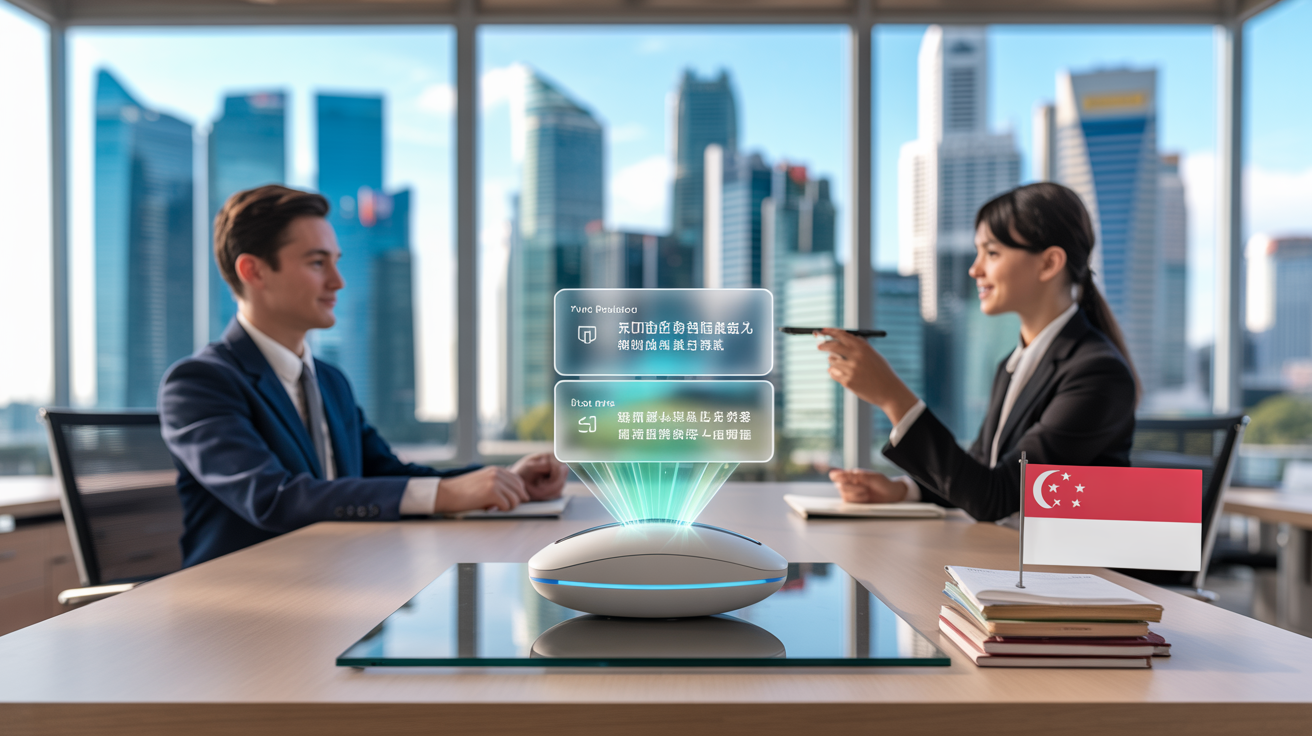
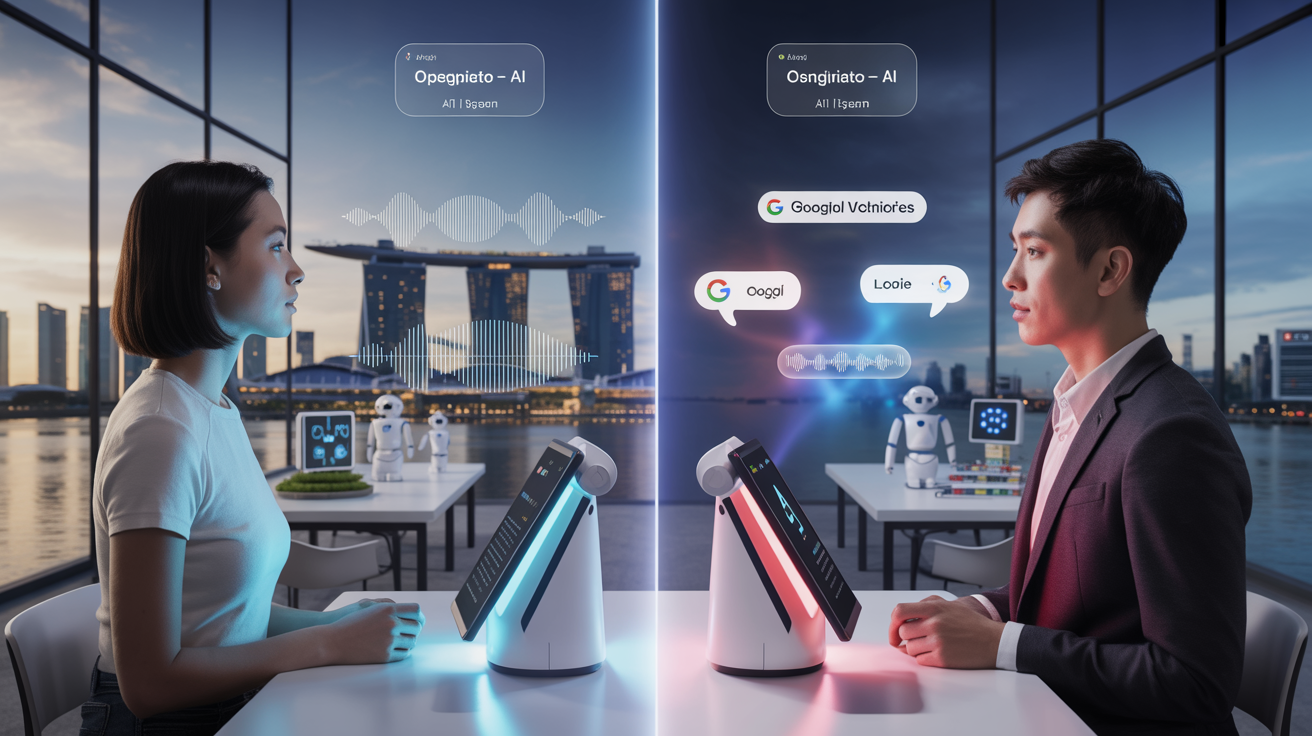
Picture this: a United Nations assembly hall buzzing with delegates from 50 countries. A diplomat begins speaking in Mandarin. Within two seconds — before they've even finished their first sentence — someone in New York is hearing it in English, someone in Cairo is hearing it in Arabic, and someone in Paris is hearing it in French. No pauses. No awkward waiting. Just seamless, real-time human communication across language lines.
That's simultaneous interpretation, and it's one of the most mind-bending skills in the world. Whether you're an event planner eyeing a multilingual conference, a language enthusiast curious about how the brain juggles two languages at once, or a parent wondering what it all means for how kids learn languages today — this guide covers it all in plain English. No linguistics degree required.
What Is Simultaneous Interpretation? The Plain-English Definition
Simultaneous interpretation (also called simultaneous interpreting) is a mode of oral translation where an interpreter listens to a speaker in one language and renders the message into another language — at almost exactly the same time the speaker is talking. The key word is simultaneous: there's no waiting for the speaker to pause, and the audience doesn't sit in silence while someone catches up. The interpreter stays just a breath or two behind the speaker, typically two to four seconds back, a gap known in the field as the décalage or "ear-voice span."
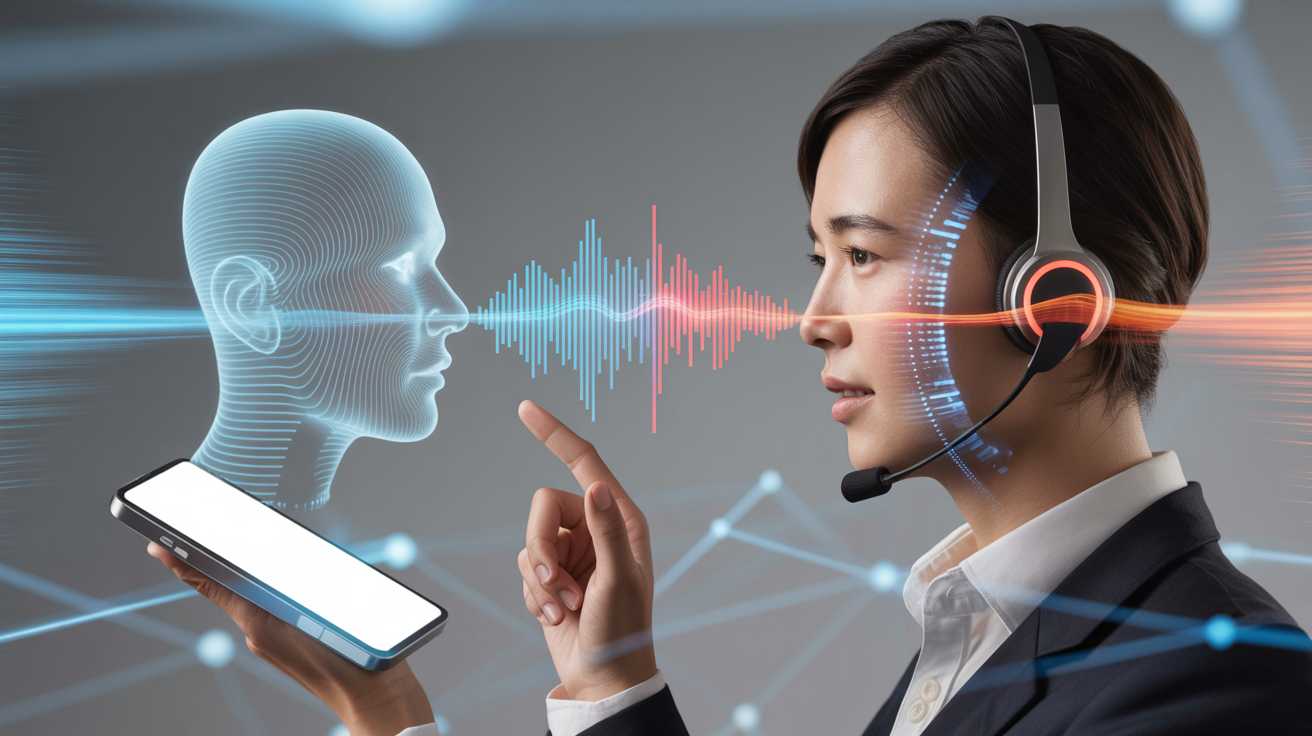
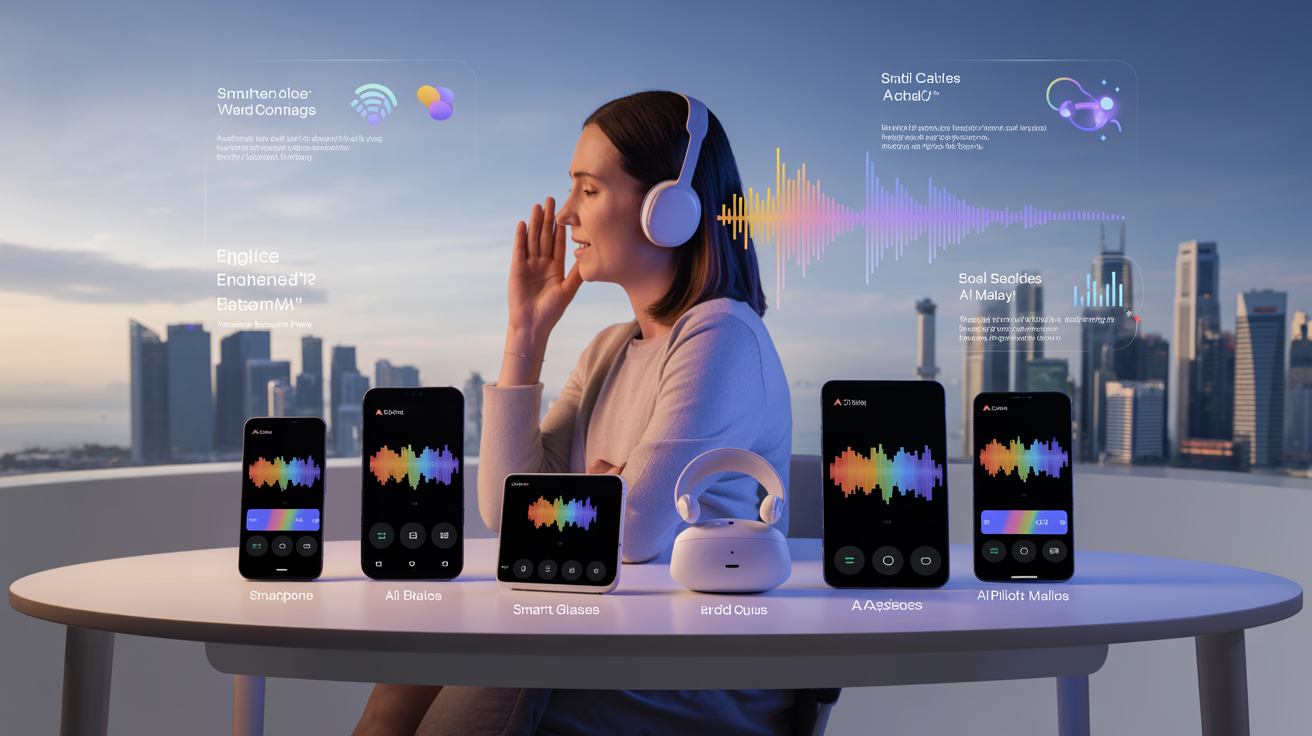
Listeners receive the interpreted audio through headsets tuned to their preferred language channel — just like switching a radio station. From the audience's perspective, the whole experience feels smooth and natural, almost like the speaker is talking directly to them in their own language. Behind the scenes, however, the interpreter is doing something that most neuroscientists describe as one of the most cognitively demanding tasks a human brain can perform.
It's worth drawing a quick distinction here: interpretation is always spoken and happens in real time, while translation is written and involves converting text from one language to another with time to review and edit. Simultaneous interpretation sits at the very sharp end of the interpretation spectrum — the fastest, most demanding form that exists.
Simultaneous vs. Consecutive Interpretation: What's the Difference?
If you've ever had a guide translate a conversation for you on holiday — waiting for each sentence to finish before speaking up — you've experienced consecutive interpretation. It's the classic back-and-forth: the speaker talks, then pauses, and the interpreter steps in. This rhythm gives the interpreter breathing room to process, take notes, and deliver a very precise, nuanced translation. It's excellent for small meetings, legal depositions, interviews, and medical consultations where absolute accuracy matters most.
Simultaneous interpretation, on the other hand, runs in parallel. The speaker never stops. The meeting never doubles in length. Every participant, regardless of their native language, gets the information at the same moment. For large-scale events with more than two languages in the room, it's essentially the only practical option. Imagine a G20 summit trying to run on consecutive interpretation — world leaders would still be there next Tuesday.
| Feature | Simultaneous Interpretation | Consecutive Interpretation |
|---|---|---|
| Timing | Real-time (2–4 second delay) | Speaker pauses for interpretation |
| Event Duration | No added time | Roughly doubles event length |
| Equipment Needed | Booths, headsets, transmitters | Minimal — notepad and mic |
| Interpreter Count | Typically 2+ per language pair | Usually 1 per language pair |
| Best For | Large conferences, broadcasts, summits | Small meetings, legal, interviews |
| Cognitive Load | Extremely high | High, but with built-in pauses |
For any multilingual event where time matters and the audience is large, simultaneous interpretation is the clear choice. For smaller, high-stakes settings where interactivity and precision are paramount, consecutive interpretation often shines brighter.
A Brief History: From Nuremberg to Your Laptop
Simultaneous interpretation as we know it was essentially born out of necessity in one of history's darkest hours. Before the 1940s, virtually all interpretation was consecutive — slow, methodical, and perfectly adequate for a world that hadn't yet needed to put dozens of nations in a room together at the same time. The first real experiments with real-time interpretation began in the 1920s, driven by early visionaries at IBM, but the technology was considered experimental and a little unreliable.
The real turning point came at the Nuremberg Trials of 1945–1946, where Nazi war criminals faced an international tribunal that required proceedings in four languages: English, French, German, and Russian. Running those trials consecutively would have made an already lengthy process virtually endless. Colonel Léon Dostert, a French-born interpreter and aide to General Eisenhower, championed the use of IBM's new audio system. IBM engineer Edward Grubbe adapted the technology into a five-channel setup, with each participant able to select their preferred language channel through headphones. A traffic-light signal system told speakers to slow down (yellow) or stop and repeat (red) if interpreters fell behind. It was imperfect, improvised — and it worked brilliantly.
The United Nations adopted simultaneous interpretation as its official method in 1946, cementing its place in global diplomacy. From there, the profession grew steadily: soundproof booths became standard in the 1950s, ISO standards formalized equipment specs in the 1970s, digital audio replaced analog systems in the 2000s, and then — in a transformation nobody fully anticipated — the COVID-19 pandemic turbocharged Remote Simultaneous Interpretation (RSI), allowing interpreters to work from their home offices and beam their voice to any virtual event on the planet. Today, the same capability that once required a custom-built Nuremberg courtroom can run on a laptop and a stable Wi-Fi connection.
How Simultaneous Interpretation Actually Works
To appreciate simultaneous interpretation, it helps to understand what's happening both cognitively and technically at the same time — because it's genuinely remarkable on both fronts.
What's Happening in the Interpreter's Mind
At any given second, a simultaneous interpreter is performing at least five separate mental operations, all overlapping. They are listening to the source language through headphones, comprehending not just the words but the intent and cultural context behind them, reformulating that meaning in the target language (accounting for different grammar structures and sentence order), speaking the translation aloud into a microphone, and monitoring their own output for accuracy — all while the speaker keeps talking. Missing a single beat can mean losing the thread entirely.
This intense multitasking is why interpreters work in pairs and rotate every 20 to 30 minutes. Research consistently shows that accuracy drops significantly after sustained simultaneous interpreting, because the cognitive resources required are simply enormous. The resting interpreter in a booth isn't idle — they're monitoring quality, looking up terminology, and preparing for complex upcoming segments.
The Technical Setup
On the physical side, a traditional simultaneous interpretation setup involves soundproof interpreter booths positioned with a clear sightline to the speaker. Each booth houses two interpreters, an audio console, high-quality microphones, and headsets for monitoring the source feed. The speaker's voice is routed into the booths, the interpreter's translated voice is captured and transmitted — either via infrared signal (preferred for confidentiality, since the signal doesn't pass through walls) or radio frequency — and audience members receive it through individual wireless receivers and headsets tuned to their language channel.
For virtual and hybrid events, the entire workflow moves online. Cloud-based Remote Simultaneous Interpretation platforms route audio streams to interpreters working remotely, who then deliver translated audio back to participants with near-zero noticeable delay. Modern RSI systems can support dozens of language channels simultaneously, making global virtual conferences genuinely multilingual experiences rather than English-only broadcasts with everyone else left out.
The Main Types of Simultaneous Interpretation
"Simultaneous interpretation" is actually an umbrella term for several distinct modes, each suited to different situations and settings.
- Conference Simultaneous Interpretation: The classic form — interpreters in soundproof booths serving large international events, diplomatic summits, and institutional proceedings like those at the United Nations or European Parliament.
- Remote Simultaneous Interpretation (RSI): Interpreters work from anywhere — a home studio, a hub office — connected to the event via specialized cloud platforms. RSI grew explosively during the pandemic and is now a permanent, cost-effective alternative for virtual and hybrid events.
- Whispered Interpretation (Chuchotage): The interpreter sits beside one or two listeners and whispers the translation directly. No equipment needed, which makes it ideal for diplomatic sidelines, courtroom moments, or small business negotiations.
- Relay Interpretation: Used when no direct interpreter exists for a rare language pair. A speaker in Thai might be interpreted into English first (the "pivot" language), and then a second interpreter renders it into Swahili. It adds a small delay but dramatically expands language coverage.
- Sign Language Simultaneous Interpretation: Sign language interpreters convert spoken language into sign language in real time — a critical accessibility service at public events, broadcasts, and government proceedings.
Each of these modes serves a different communication need, and many large international events will actually blend several of them across different session types throughout a conference day.
Where Simultaneous Interpretation Is Used
If you've ever watched a UN General Assembly, tuned into an Olympics opening ceremony broadcast, or followed a live press conference from a foreign government, you've been on the receiving end of simultaneous interpretation. The reach of this profession is wider than most people realize.
- International Diplomacy and Government: The United Nations, European Union, African Union, NATO, and virtually every international body depend on it daily. Without it, multilateral diplomacy would come to a standstill.
- Business and Corporate Events: Multinational companies rely on simultaneous interpreting for shareholder meetings, global town halls, product launches across markets, and cross-border training sessions.
- Scientific and Academic Conferences: Medical symposiums, research forums, and academic conferences use simultaneous interpretation to share knowledge across language barriers — especially critical in fields like public health, where timely information genuinely saves lives.
- Legal Proceedings: International courts and arbitration tribunals depend on real-time interpretation to ensure fair proceedings for all parties.
- Broadcasting and Media: Live broadcasts of international events use simultaneous interpretation to reach global audiences in real time.
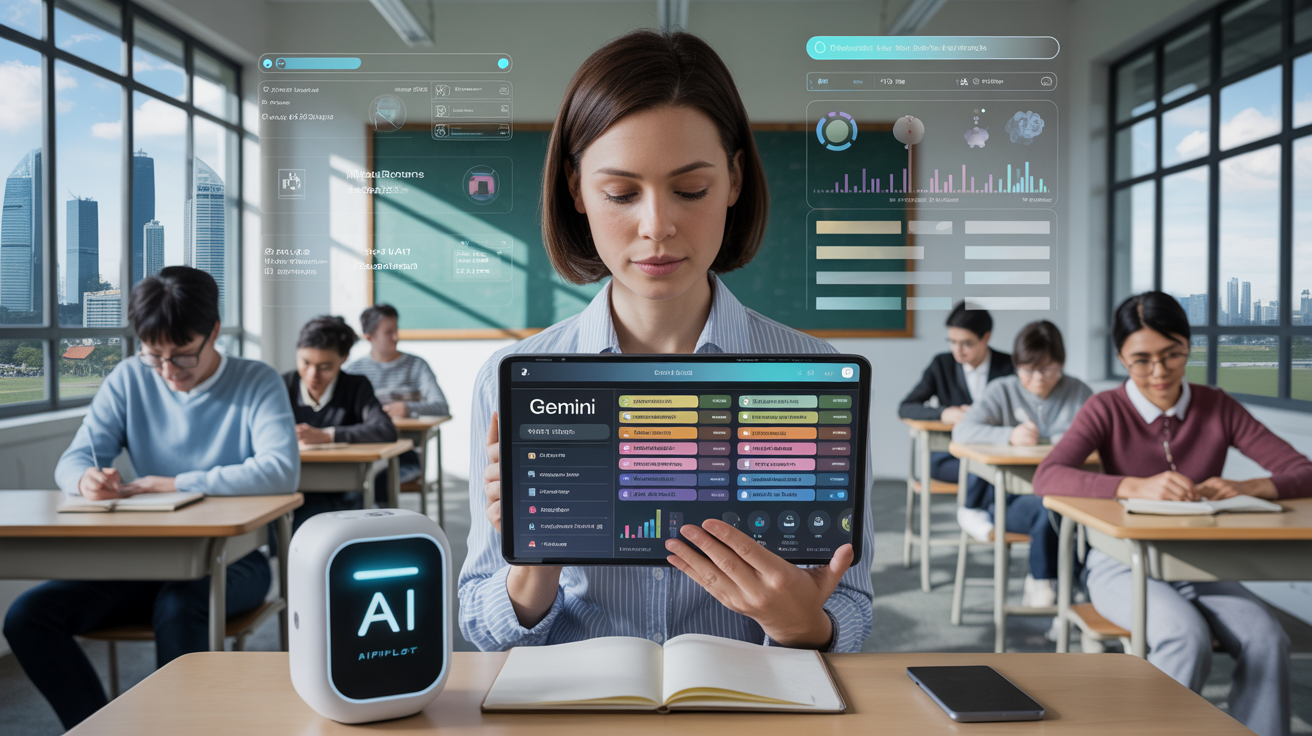
- Education: Multilingual academic environments increasingly use simultaneous interpretation and AI-powered real-time translation to ensure every student can participate fully, regardless of their language background.
The common thread across all these settings is the same: when time matters, when accuracy matters, and when more than one language is in the room, simultaneous interpretation is the bridge that makes everyone equal.
The Cognitive Science Behind the Skill (It's Fascinating)
Here's where things get genuinely interesting for anyone curious about language learning. The brain during simultaneous interpretation isn't just "doing translation" — it's performing an extraordinary juggling act that researchers have spent decades trying to fully understand. Studies consistently show that professional interpreters demonstrate measurable advantages in working memory, attentional control, and executive function compared to equally multilingual but non-interpreting peers. The remarkable part? These advantages appear to emerge from the training itself, not from some pre-existing cognitive gift. You build the brain you practice with.
Neuroscience research has found that simultaneous interpreters show distinct patterns of brain activation, particularly in regions responsible for attention management, language control, and the coordination of competing cognitive tasks. The caudate nucleus — a part of the brain involved in coordinating complex mental operations — appears to work differently in experienced interpreters, helping them manage the extraordinary cognitive load without burning out every 90 seconds. This is why simultaneous interpreting is often described as one of the most cognitively demanding tasks a human can perform in professional life.
For language learners, this research carries an inspiring message: the skills that power simultaneous interpretation — active listening, rapid mental reformulation, bilingual fluency, and real-time processing — are skills that can be developed. They're not reserved for a rare elite. They grow with consistent, engaging, well-designed language practice. And that's where modern AI language learning tools are doing something genuinely exciting.
AI and the Future of Simultaneous Interpretation
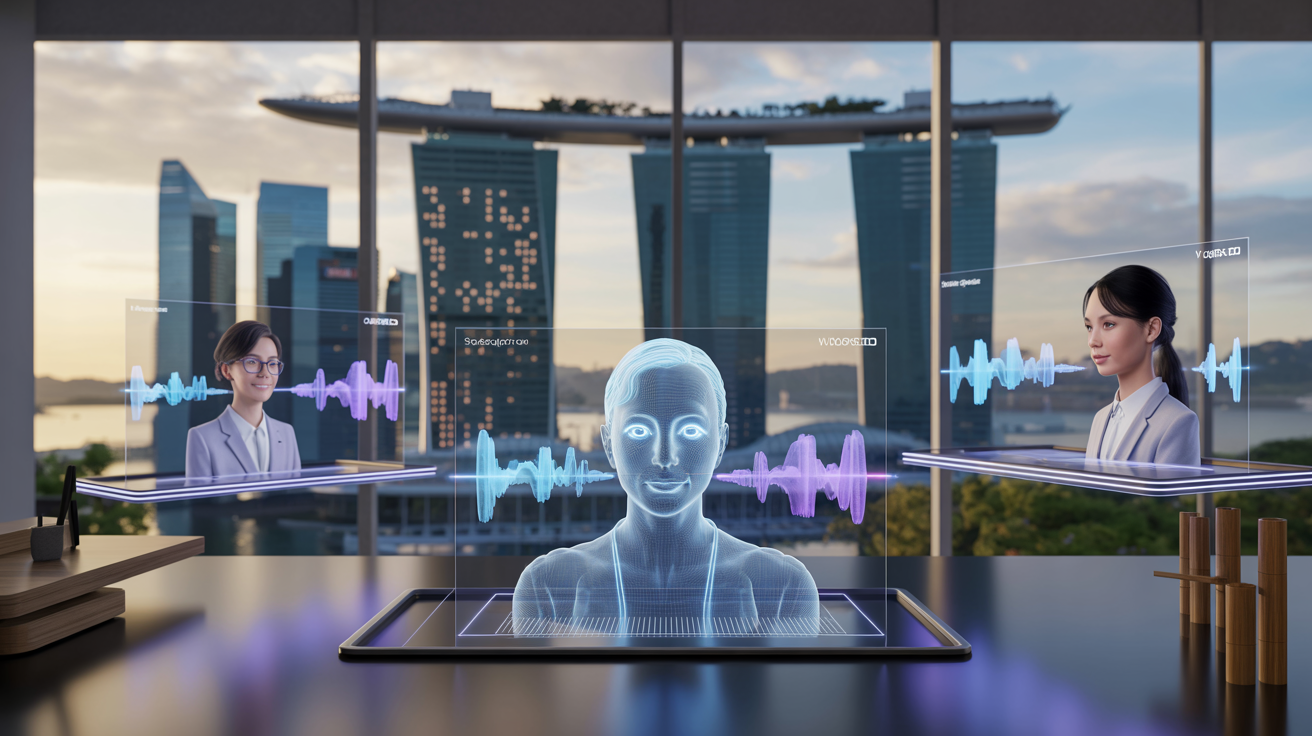
The simultaneous interpretation industry is changing faster right now than at any point since Nuremberg. AI-powered systems have moved from experimental curiosity to practical reality at a remarkable pace. At the Zhongguancun Forum in Beijing in March 2026, organizers deployed what was described as the world's first AR and AI conference translation system, delivering real-time interpretation across 54 languages with under one second of latency — using AR glasses rather than traditional booths and headsets. That's not a tech demo. It's a signal of where things are heading.
On the market side, the global AI simultaneous interpreting sector is growing rapidly, driven by surging demand for real-time multilingual communication across industries. AI and machine learning are enhancing interpretation accuracy, reducing costs, and enabling entirely new use cases like automated multilingual content delivery in e-learning platforms and virtual events. The trajectory suggests that within a few years, AI interpretation with very low latency across 100 or more languages may feel as routine as loading a webpage.
That said, it's worth being clear-eyed about where AI genuinely stands today. For general business conversation between widely spoken languages, AI interpretation tools can achieve impressive quality at a fraction of the cost and latency of human-only systems. But for high-stakes settings — diplomatic negotiations, international legal proceedings, complex medical consultations — professional human interpreters remain essential. The nuance, cultural sensitivity, and real-time judgment that experienced interpreters bring to ambiguous or charged situations simply cannot yet be replicated by machine alone. The most promising direction isn't replacement — it's collaboration, with AI handling routine, high-volume tasks while human expertise is preserved and elevated for the moments that truly need it.
What This Means for Language Learners
Understanding simultaneous interpretation isn't just an interesting intellectual exercise — it reframes the entire goal of language learning in a powerful way. When you understand that real-time language processing is a trainable cognitive skill, and that the brain physically changes through consistent bilingual practice, the process of learning a language stops feeling like memorizing vocabulary lists and starts feeling like a genuine cognitive adventure.
The best language learners develop the same core abilities that power simultaneous interpretation: strong listening comprehension, rapid vocabulary retrieval, flexible grammar processing, and the confidence to produce language under pressure without freezing up. These aren't achieved through passive study — they're built through active, conversational, immersive practice. The more a learner engages in real communication (even simulated, AI-powered communication), the more their brain builds the neural pathways that make language feel fluent and automatic.
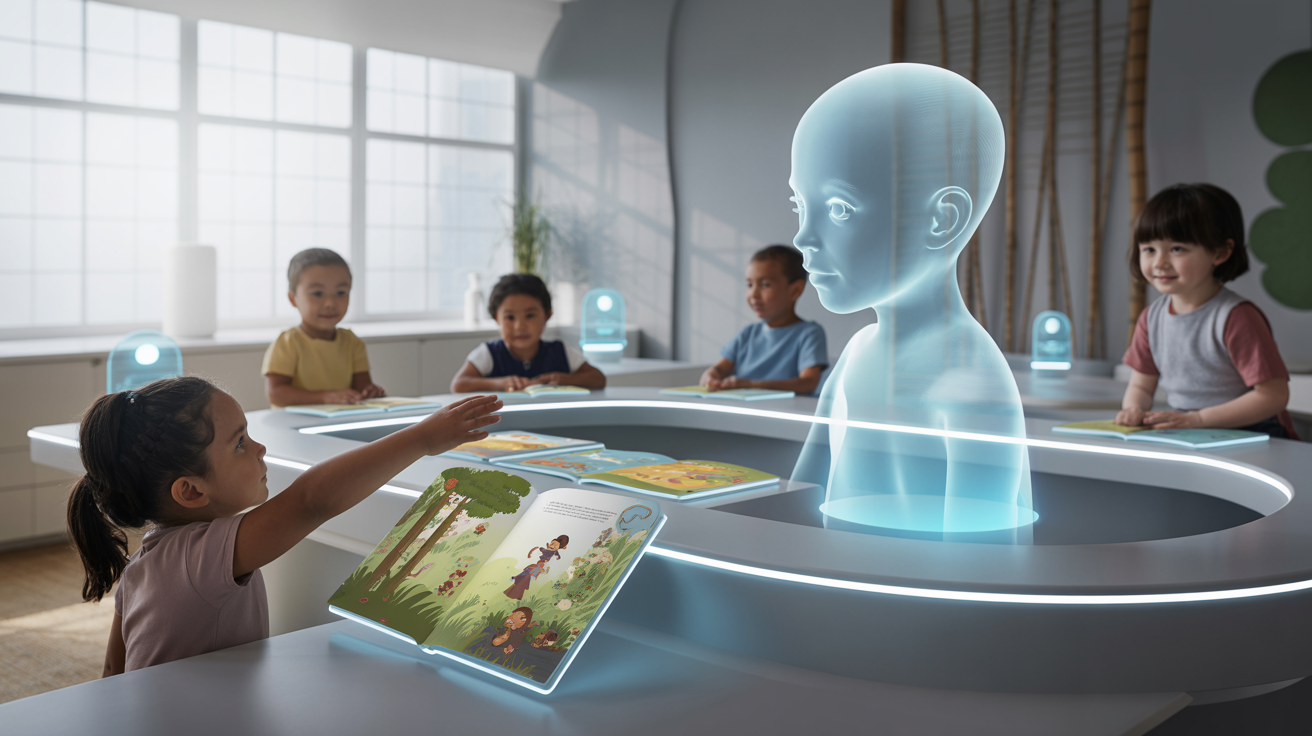
This is exactly where AI-powered language tools are making a meaningful difference for learners of all ages. Tools like AIPILOT's TalkiCardo Smart AI Chat Cards bring this kind of active, conversational language practice to kids in a format that's safe, engaging, and structured for real communication skills — not just rote repetition. When children practice speaking, listening, and responding in real time with an AI partner, they're building the same foundational language-processing agility that underlies professional interpreting. They're training their brains for fluency, one conversation at a time.
Simultaneous interpretation sits at the highest end of the human language capability spectrum. But the path that leads there — through rich, active, real-time language practice from an early age — is the same path every language learner is on. AI is simply making that path more accessible, more personalized, and a lot more fun.
Frequently Asked Questions
What is the difference between simultaneous interpretation and translation?
Interpretation is oral and happens in real time with spoken language. Translation is written and involves converting text from one language to another, with time to review and edit. Simultaneous interpretation is the fastest and most cognitively demanding form of interpretation, happening while the speaker is still mid-sentence.
Why do simultaneous interpreters work in pairs?
Because simultaneous interpreting is one of the most cognitively exhausting tasks a person can perform. Research consistently shows that accuracy drops significantly after sustained interpreting. Working in pairs allows interpreters to rotate every 20 to 30 minutes, with the resting partner monitoring quality and providing terminology support, ensuring listeners always receive accurate, high-quality interpretation.
Can AI replace simultaneous interpreters?
Not yet for high-stakes settings — and not in the foreseeable future for diplomacy, legal proceedings, or complex medical contexts. AI interpretation has improved dramatically and works well for general business conversation and lower-risk environments, but professional human interpreters remain essential wherever nuance, cultural sensitivity, and real-time judgment are critical. The most promising near-term direction is human-AI collaboration rather than replacement.
What is Remote Simultaneous Interpretation (RSI)?
RSI is simultaneous interpretation delivered via cloud-based platforms, where interpreters work from remote locations rather than on-site booths. It became mainstream during the COVID-19 pandemic and is now a permanent, more cost-effective option that expands access to qualified interpreters globally — without the need for travel or physical booth installation.
How many languages can simultaneous interpretation support?
There is no theoretical limit. The United Nations routinely supports six official languages simultaneously, and large international events may support ten, twenty, or more. Each additional language requires its own interpreter team and dedicated audio channel. Modern AI-powered systems are pushing this number even higher, with some platforms demonstrating real-time coverage across dozens of languages.
What is the "ear-voice span" in simultaneous interpretation?
The ear-voice span (or décalage) is the deliberate time gap between when an interpreter hears the source speech and when they begin producing the translation — typically two to four seconds. Skilled interpreters adjust this gap strategically based on the complexity of the content and the grammatical differences between the two languages involved.
Final Thoughts: Language Is a Superpower Worth Building
Simultaneous interpretation is one of those rare human abilities that genuinely inspires awe when you understand what's actually happening. It's not just translation — it's a real-time cognitive performance that reshapes the brain, connects cultures, and makes global communication possible in a way that feels almost magical. And thanks to AI, the tools that once only existed in Nuremberg courtrooms and UN assembly halls are becoming woven into everyday digital life.
Whether you're planning a multilingual event, studying linguistics, or simply thinking about how to give young learners a head start in a connected world, the story of simultaneous interpretation carries an important message: language fluency is built through active practice, real communication, and a brain that's been trained to process language quickly and confidently. The journey toward that fluency starts early — and it starts with conversation.
Give Your Child a Language Head Start
At AIPILOT, we believe every child deserves the kind of rich, real-time language practice that builds genuine fluency — not just test scores. Our AI-powered tools create immersive, conversational learning experiences designed to build the listening, speaking, and processing skills that matter most for lifelong language success.